Bed bugs are unwelcome houseguests that can turn your peaceful nights into a nightmare. These tiny, blood-sucking pests can infest your home, causing discomfort, sleepless nights, and even skin irritations. Bed Bug Pest Control Treatment is essential to rid your living spaces of these pests and regain your peace of mind. In this comprehensive guide, we will explore the various methods of bed bug control and provide you with the knowledge to effectively combat these relentless invaders.
Identifying Bed Bugs
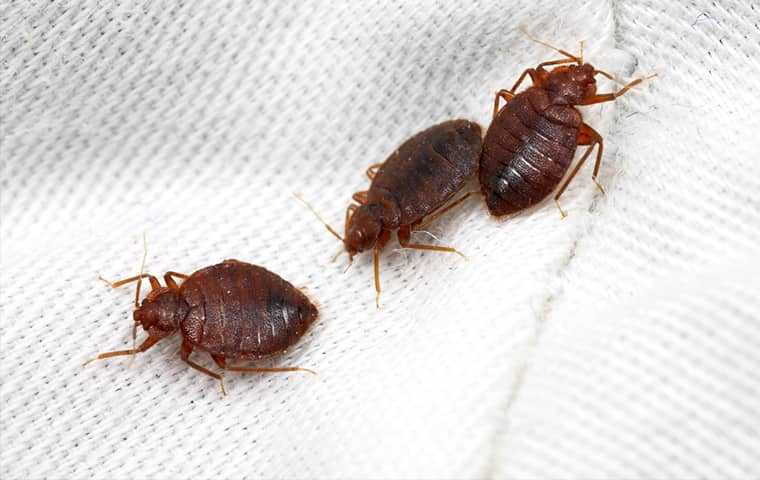
Before you can implement any pest control treatment, it’s crucial to ensure you are dealing with bed bugs. These reddish-brown insects are about the size of an apple seed and leave behind tiny, reddish-black fecal spots on bedding and furniture. Additionally, you may notice small, itchy red welts on your skin, a common sign of bed bug bites.
Professional Pest Control Services
When dealing with a severe bed bug infestation, it’s often best to enlist the services of professional pest control experts. They have the experience and tools to effectively eliminate bed bugs. Professional treatments may include chemical sprays, heat treatments, or a combination of both, depending on the severity of the infestation. Be sure to hire a reputable pest control company with a track record of successful bed bug eradication.
DIY Bed Bug Treatment
If you have a minor bed bug problem, you can try some DIY treatments before calling in professionals:
Wash and Dry: Thoroughly wash and dry all bedding, clothing, and linens on high heat. Bed bugs can’t survive in extreme temperatures, so this will kill them.
Vacuum: Use a vacuum cleaner with a hose attachment to vacuum your mattress, box spring, and surrounding areas. Be sure to empty the vacuum’s contents into a sealed bag and dispose of it far from your home.
Diatomaceous Earth: This natural, non-toxic substance can be sprinkled around your bed and other infested areas. It damages bed bugs’ exoskeletons, eventually killing them.
Clutter Removal: Reduce clutter in your home to eliminate potential hiding spots for bed bugs.
Chemical Treatments
Chemical treatments are commonly used by professionals, but they can also be used for DIY efforts. Some commonly used chemicals for bed bug control include pyrethroids and desiccants. Be cautious when using chemicals, following label instructions, and taking safety measures to protect yourself, children, and pets.
Heat Treatments
Heat treatments are an effective way to kill bed bugs and their eggs without chemicals. Specialized equipment is used to raise the temperature in the infested area to levels lethal for bed bugs. This method is safe for most belongings and has a high success rate when done correctly.
Preventing Bed Bug Reinfestation
Once you’ve successfully eliminated the bed bugs, it’s essential to take preventive measures to avoid reinfestation:
Regularly inspect your home for signs of bed bugs.
Be cautious when traveling, as bed bugs can hitch a ride in luggage or clothing.
Seal any cracks and crevices in your home to prevent their entry.
Use bed bug-proof encasements on your mattress and box spring.
Avoid buying used furniture without a thorough inspection.
Conclusion
Bed Bug Pest Control Treatment is a critical process to restore your home’s comfort and safety. Whether you choose professional help or opt for DIY methods, the key is early detection and a well-planned approach. By understanding the signs of bed bug infestations and implementing appropriate treatments, you can regain your peace of mind and ensure a good night’s sleep, free from these bothersome pests.