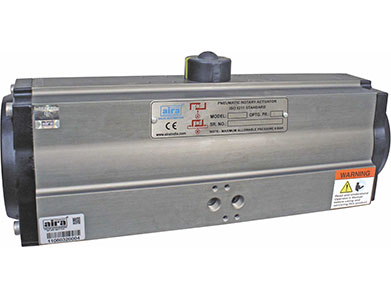
Pneumatic actuators are the workhorses of industrial automation, providing a clean, reliable source of power for countless applications. From opening and closing valves to driving robotic arms, their versatility makes them a go-to choice for engineers. However, with a variety of types and features available, selecting the right pneumatic actuator can seem daunting. This article will guide you through the key factors to consider, ensuring you choose the perfect actuator for your specific needs.
Understanding the Application
The first step is to thoroughly understand the application where the actuator will be used. Here are some crucial aspects to define:
- Type of Movement: Do you need linear movement (pushing or pulling in a straight line) or rotary movement (turning a shaft)? Linear actuators come in rod-style and rodless varieties, each with its advantages. Rotary actuators offer different rotation angles depending on the application.
- Force and Speed Requirements: How much force is required to move the load? Consider factors like friction and inertia. Similarly, what speed is necessary for your application’s cycle time? These factors will determine the size and type of actuator needed.
- Stroke Length: This refers to the total distance the actuator needs to travel. Stroke lengths vary depending on the actuator type, so ensure you choose one that matches your application’s travel requirements.
- Duty Cycle: How often will the actuator operate in a given timeframe? High duty cycles demand actuators designed for continuous operation and may require features like built-in cooling.
- Operating Environment: Consider factors like temperature, humidity, and presence of dust or washdown requirements. Some actuators are made from corrosion-resistant materials or have special seals for harsh environments.
Double-Acting vs. Single-Acting Actuators
A key distinction is between double-acting and single-acting actuators:
- Double-Acting Actuators: These versatile actuators use compressed air to extend and retract the rod or shaft. They provide precise control over movement in both directions and are ideal for applications requiring back-and-forth motion.
- Single-Acting Actuators: These use compressed air for extension only and rely on springs or external force for retraction. They are simpler and more cost-effective but offer less control and are suited for applications requiring movement in one direction.
Additional Considerations
Beyond the core functionalities, several other factors influence actuator selection:
- Mounting Style: Consider how the actuator will be mounted to your equipment. Common options include foot, flange, and trunnion mounts.
- Material Selection: The actuator’s body and internal components should be compatible with the operating environment and any fluids or materials it might encounter.
- Footprint and Weight: Depending on the available space and weight restrictions, you may need to consider compact or lightweight actuator options.
- Control Options: Some actuators offer built-in sensors and switches for position feedback and control. Consider if these features are necessary for your application.
- Safety Considerations: Depending on the application’s risks, features like overload protection or intrinsically safe designs may be crucial.
Consulting a Specialist
Given the variety of pneumatic actuators available, consulting with a specialist can be invaluable. They can help you navigate the selection process, considering factors you might not have anticipated. Provide them with a detailed description of your application, including the parameters mentioned above. They can recommend suitable actuators, answer technical questions, and ensure you get the best possible match for your needs.
Conclusion
Choosing the right pneumatic actuator is essential for an efficient and reliable automated system. By carefully considering the application requirements, actuator types, and additional factors, you can ensure you select the perfect one for the job. Remember, consulting with a specialist can be a valuable resource to ensure a successful outcome for your project.