Cultural Insights: Local Communities while Climbing Kilimanjaro – Footprint Adventure

Cultural Insights: Engaging with Local Communities while Climbing Kilimanjaro
Climbing Mount Kilimanjaro is much more than just an adventure to the summit of Africa’s highest peak. The journey itself offers a unique opportunity to connect with Tanzania’s rich cultural heritage, vibrant local communities, and deep-rooted traditions. While many focus solely on the physical challenges and stunning vistas of the climb, understanding and engaging with the people who live at the foot of the mountain can make your Kilimanjaro climbing experience far more enriching.
This post delves into the cultural aspect of Kilimanjaro, highlighting ways to respectfully engage with local communities, the significance of learning about the local cultures, and how combining your climb with a Tanzania tour and wildlife safari can deepen your understanding of the region. With expert guides like Footprint Adventure, you can ensure that your trip is not just about reaching the summit but also about meaningful connections along the way.
1. The Chagga People: Guardians of Kilimanjaro
The lower slopes of Kilimanjaro are home to the Chagga people, one of Tanzania’s largest ethnic groups. For centuries, the Chagga have lived and farmed in the fertile lands surrounding the mountain. Their unique culture, built around agriculture and trade, has flourished thanks to the rich volcanic soils of Kilimanjaro’s lower elevations.
When you embark on a Kilimanjaro climbing adventure, you’ll likely start your journey in towns like Moshi, where you can learn about the Chagga’s history and traditions. A visit to a Chagga village offers insights into:
- Banana and Coffee Farming: The Chagga are known for their intricate farming methods, including the cultivation of bananas and coffee. A tour of a local farm can show you how these crops are grown and harvested.
- Traditional Songs and Dances: In many villages, you may be welcomed with traditional Chagga music and dance, a joyful expression of their culture and community spirit.
- Chagga Caves and Waterfalls: You can explore underground caves used historically as shelter from tribal conflicts and visit nearby waterfalls that are not only stunning but also hold cultural significance.
Understanding the Chagga’s close connection to the mountain helps you appreciate Kilimanjaro not just as a natural wonder but also as a symbol of cultural identity and sustenance.
2. Respecting Cultural Etiquette on Kilimanjaro Climbing Routes
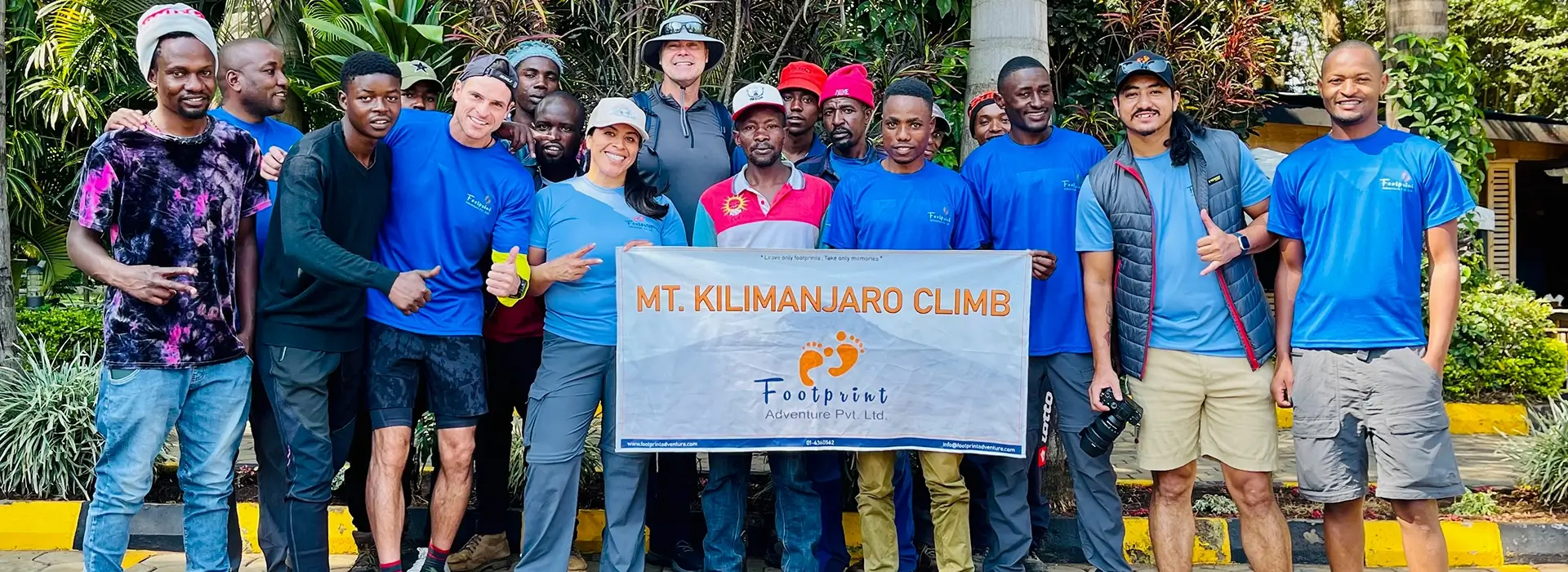
As you ascend Kilimanjaro, you will encounter local porters, guides, and support staff—many of whom come from nearby communities. These individuals are the backbone of your trek, ensuring that climbers are safe and comfortable. It’s essential to respect their customs and treat them with dignity throughout your journey.
Here are a few tips on maintaining cultural sensitivity and showing respect to the local staff and communities:
- Learn Basic Swahili: While English is widely spoken, especially in tourism, learning a few Swahili phrases can go a long way in building rapport. Simple greetings like “Jambo” (Hello) or “Asante” (Thank you) are always appreciated.
- Understand Hierarchies: Porters and guides work in a well-structured hierarchy. Acknowledge the efforts of all team members, not just your head guide.
- Fair Treatment and Tipping: Treat your porters and guides with kindness and ensure fair compensation for their hard work. A generous tip at the end of your climb is customary, as their wages depend heavily on it. Reliable trekking companies like Footprint Adventure ensure ethical practices, including fair pay for all team members.
3. Cultural Immersion on Kilimanjaro Climbing Routes
Each Kilimanjaro climbing route offers unique opportunities to engage with the local culture. Whether you choose the Marangu Route, the Machame Route, or a more secluded path like Rongai, there are meaningful experiences to be had along the way.
Marangu Route: Known as the “Coca-Cola Route”
This is one of the more popular and easiest routes up Kilimanjaro. Along the Marangu Route, you may pass through local markets, where you can interact with vendors selling fresh fruits, handicrafts, and everyday essentials. Take a moment to appreciate how the communities thrive at the base of this magnificent mountain.
Machame Route: The “Whiskey Route”
For those on the Machame Route, the scenery is strikingly diverse, and many trekking groups set up camp near small villages or alongside Chagga settlements. Ask your guide about the stories and legends of Kilimanjaro as seen through the eyes of the Chagga and Maasai people.
Rongai Route: A Northern Perspective
The Rongai Route approaches Kilimanjaro from the north and offers a less crowded, more intimate trekking experience. Along the way, you may have the chance to visit smaller, more remote communities, providing an opportunity to see a different way of life. Always be mindful of the locals’ privacy and ask for permission before taking photographs.
4. Supporting Local Communities Through Responsible Tourism
When climbing Kilimanjaro, you become part of the local economy. Your trip supports not only the tourism industry but also the local businesses and people who rely on it for their livelihoods. Here’s how you can ensure that your visit benefits the local community and minimizes any negative impact:
- Choose Responsible Tour Operators: Reputable operators like Footprint Adventure prioritize sustainable tourism. They hire local staff, provide fair wages, and follow eco-friendly practices to ensure that the environment and community are protected.
- Stay at Locally Owned Accommodations: Before or after your climb, consider staying at locally owned lodges or hotels. This ensures that your money goes directly into the community rather than international chains.
- Purchase Local Goods: From handcrafted souvenirs to locally grown coffee, buying from local vendors helps sustain traditional crafts and agriculture. If you’re planning a Tanzania tour and wildlife safari after your climb, this is another chance to engage with local artisans and markets.
Recommended Read Artilce “Kilimanjaro Flora and Funa”: https://globalarticlefinder.com/exploring-kilimanjaros-flora-and-fauna-footprint-adventure/
5. Beyond Kilimanjaro: Exploring Tanzanian Culture
While Kilimanjaro is a cultural and natural highlight, don’t miss the chance to explore more of Tanzania’s rich cultural tapestry. Combining your Kilimanjaro climb with a Tanzania tour and wildlife safari offers a comprehensive look at the country’s diverse communities and landscapes.
The Maasai People
In the nearby plains, you’ll find the iconic Maasai tribe, known for their distinct red robes and traditional warrior culture. Many safaris include visits to Maasai villages, where you can learn about their nomadic lifestyle, cattle herding traditions, and deep connection to the land.
Serengeti and Ngorongoro Conservation Areas
If you’re embarking on a wildlife safari after your Kilimanjaro climb, you’ll likely visit the Serengeti National Park or the Ngorongoro Crater. These areas are not only teeming with wildlife but also hold cultural significance. The Maasai have long coexisted with the wildlife in these areas, and you can witness firsthand how conservation and tradition intersect.
6. Footprint Adventure: Connecting You with Tanzanian Culture
For those who want to experience both the challenge of Kilimanjaro and the vibrant culture of Tanzania, Footprint Adventure is the perfect guide. They specialize in culturally immersive treks, combining adventure with local engagement. From organizing visits to Chagga villages to facilitating interactions with Maasai communities on your safari, Footprint Adventure ensures that you leave Tanzania with a deeper understanding of its people and traditions.
Their commitment to ethical tourism means that the local communities benefit directly from your visit, ensuring a positive impact on both the environment and the people.
Conclusion: Climbing Kilimanjaro is More Than Just a Physical Journey
Climbing Kilimanjaro is not only about the physical achievement of reaching the summit. It’s about understanding and engaging with the people who call this region home, and appreciating the deep connection they have with the mountain. By making time to learn about and respect local cultures, you enrich your trekking experience and contribute positively to the communities you encounter.
With the help of Footprint Adventure, you can ensure your journey is as culturally rewarding as it is physically challenging. So, pack your bags, learn a few words of Swahili, and get ready to experience not only the breathtaking views from the top of Kilimanjaro but also the heart of Tanzanian culture.