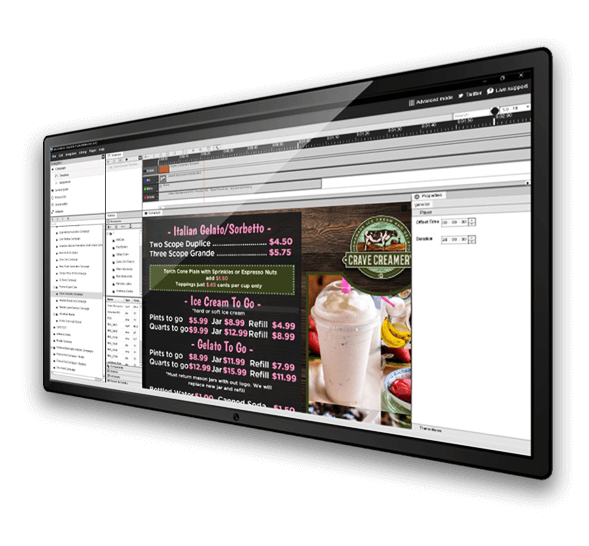
In today’s fast-paced and technology-driven world, traditional static menus are gradually being replaced by dynamic and interactive digital signage menus. These modern menus offer businesses in the food industry a powerful tool to captivate customers, enhance their dining experience, and boost sales. However, with great opportunities come great responsibilities, and designing an effective digital signage menu requires careful planning, creativity, and adherence to best practices. In this blog, we’ll explore the key tips and best practices to create a compelling and successful digital signage menu.
-
Understand Your Audience
Before diving into designing your digital signage menu, it’s crucial to understand your target audience. Conduct market research and gather data about your customers’ preferences, demographics, and behaviors. This information will guide you in tailoring your menu’s content and visuals to appeal directly to your audience, leading to higher engagement and increased sales.
-
Keep It Simple and Concise
Simplicity is key when it comes to designing a digital signage menu. Avoid cluttering the screen with excessive text or images, as it can overwhelm customers and diminish the impact of your message. Instead, focus on presenting the most important information, such as your menu items, prices, and limited-time offers, in a clear and concise manner. Use bullet points, short descriptions, and eye-catching visuals to communicate effectively.
-
Prioritize Visual Appeal
Visuals play a crucial role in attracting and retaining customers’ attention. Invest in high-quality images and videos that showcase your menu items in an appealing and appetizing way. Use consistent branding elements such as colors, fonts, and logos to reinforce your restaurant’s identity. Additionally, ensure that the text is easily readable from a distance, and choose contrasting colors to make your menu stand out.
-
Incorporate Dynamic Content
One of the main advantages of digital signage menus is their ability to display dynamic content. Utilize this feature to keep your menu fresh and engaging. Rotate menu items, display daily specials, or include live social media feeds to create an interactive experience for your customers. Dynamic content encourages repeat visits and builds a sense of excitement around your offerings.
-
Optimize for User Experience
A seamless user experience is essential for the success of your digital signage menu. Ensure that the menu navigation is intuitive and easy to use. Use touch-screen functionality for interactive menus, enabling customers to browse through items effortlessly. Regularly test the responsiveness of your menu to ensure it functions smoothly and provides a positive user experience.
-
Consider Menu Localization
If your business operates in multiple locations or caters to diverse cultural backgrounds, consider localizing your digital signage menu. Tailor content to specific regions, languages, or seasonal preferences. Menu localization demonstrates a commitment to understanding your customers’ needs and enhances their connection with your brand.
-
Schedule Content Appropriately
Timing is critical when it comes to displaying content on your digital signage menu. Adjust the content schedule to match peak hours, promotions, and meal times. For instance, highlight breakfast items during the morning rush and focus on dinner specials during the evening. By aligning content with the appropriate times, you can boost customer engagement and drive more sales.
Conclusion
Designing an effective digital signage menu is an art that blends creativity, technology, and a deep understanding of your audience. By following the tips and best practices outlined in this blog, you can create a visually appealing, user-friendly, and impactful digital signage menu that enhances your customers’ dining experience and drives business growth. Embrace the power of digital signage and watch as it transforms your restaurant into a modern and captivating culinary destination.