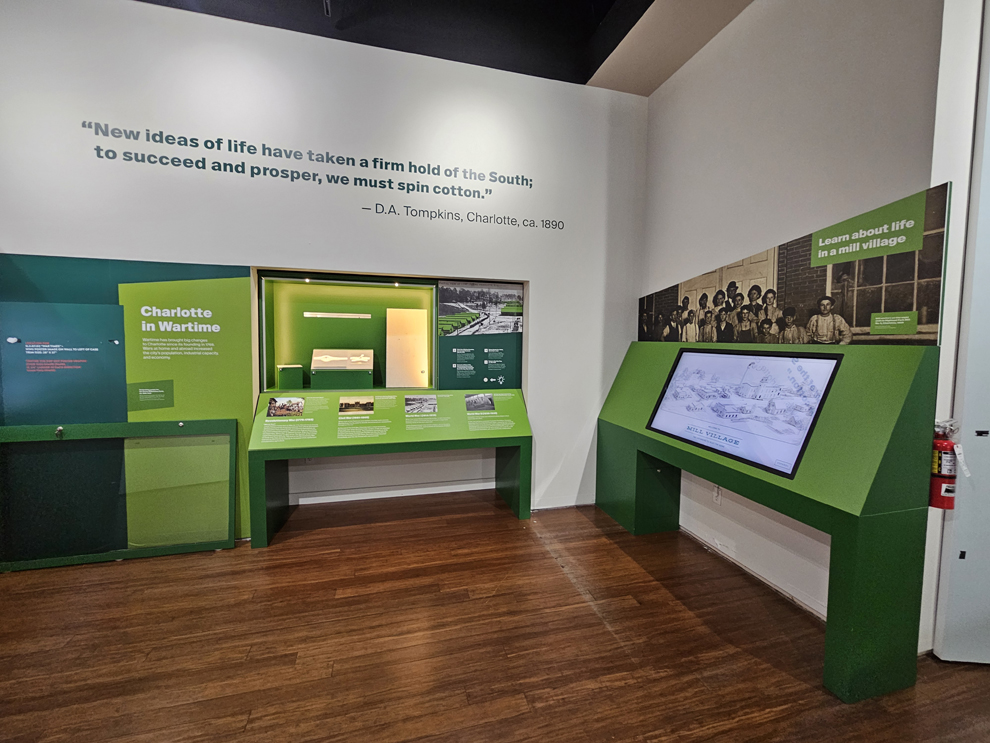
Museums are more than just repositories of history—they are immersive experiences that tell stories, evoke emotions, and inspire learning. A key element of this experience is the visual presentation of exhibits. Designing engaging museum wall displays in Washington, DC, requires a careful balance of aesthetics, accessibility, and branding, ensuring that each display not only educates but also captivates visitors.
The Role of Museum Wall Displays
Museum wall displays serve as a visual narrative, guiding visitors through a curated journey of discovery. They are not limited to traditional text panels or static images; modern displays often incorporate interactive elements, dimensional signage, and innovative materials that bring exhibits to life. In a city like Washington, DC, where cultural institutions compete for attention, the quality and creativity of wall displays can significantly influence visitor engagement.
Engaging museum displays help in contextual storytelling. Instead of merely presenting artifacts, they create an environment where history, science, or art feels tangible. For example, well-designed wall graphics can simulate historical settings or artistic environments, allowing visitors to connect with the subject matter on a deeper level.
Key Principles for Effective Museum Wall Design
Clarity and Readability
Information should be presented clearly and concisely. Visitors often skim text panels, so using legible fonts, contrasting colors, and concise messaging is critical. Well-organized content allows guests to absorb key information without feeling overwhelmed.
Visual Hierarchy
Organizing elements by importance guides the visitor’s attention naturally. Larger headings, prominent images, and interactive features can highlight the most significant aspects of an exhibit.
Cohesive Branding
Incorporating subtle branding within museum displays ensures consistency across all signage and graphics. For corporate-sponsored exhibits or workplace museums, branding can reinforce identity while remaining unobtrusive. Heritage Signs & Displays, for instance, emphasizes integrating branding seamlessly with exhibit design to enhance both visual appeal and organizational recognition.
Interactivity and Engagement
Touchscreens, augmented reality elements, and movable panels can make a museum visit more immersive. Engaging displays encourage longer visits, repeat attendance, and greater retention of information.
Material Selection
Choosing the right materials is essential for durability, safety, and aesthetic appeal. Acrylic, metal, and high-quality vinyl can be used to create dimensional lettering, backlit panels, and other visually striking elements. For museum wall displays in Washington DC, selecting materials that withstand heavy foot traffic while maintaining clarity and vibrancy is crucial.
Enhancing Exhibits with Custom Signage
Custom museum signage offers versatility in display design. Wall-mounted panels, standoff-mounted signs, and 3D elements can transform blank walls into dynamic storytelling surfaces. Institutions often work with specialized providers to ensure that signage complements the exhibits and guides visitors effectively. Heritage Signs & Displays, for example, provides comprehensive solutions for creating impactful Museum Wall Displays Washington DC, combining custom design, production, and installation services.
For organizations looking to elevate their museum presentations, professional signage companies can offer expertise in integrating graphics with interactive technology, ensuring displays are both functional and visually compelling. More Information about their range of museum signage solutions can be found here: https://heritageprinting.com/.
Balancing Aesthetics and Educational Value
While aesthetics draw visitors in, educational value keeps them engaged. Designers must ensure that visual appeal does not overshadow the informational content. Effective museum wall displays in Washington DC achieve harmony between design elements, text, imagery, and interactive components. This balance helps to deliver content that is memorable, understandable, and meaningful.
Additionally, color schemes, lighting, and spatial layout play critical roles in enhancing visitor experience. For instance, subtle LED backlighting can highlight key information without causing visual strain, and strategically placed graphics can guide the flow of foot traffic naturally.
Accessibility Considerations
Inclusive design is a vital aspect of modern museum wall displays. Designers should consider visibility for all visitors, including those with visual or mobility challenges. Features such as large text, braille, tactile elements, and clear wayfinding enhance accessibility and ensure that every guest can fully enjoy the exhibit.
The Value of Expert Consultation
Working with experienced signage providers ensures that museums achieve both functionality and aesthetic excellence. Companies specializing in custom museum signage can help institutions plan layouts, select materials, and execute installations with precision. Institutions in Washington DC can explore comprehensive services here Click Here for design and installation solutions.
Conclusion
Designing engaging museum wall displays in DC is an art that combines storytelling, aesthetics, interactivity, and accessibility. Thoughtful design enhances visitor experience, strengthens educational impact, and reinforces institutional branding. By leveraging professional expertise and high-quality materials, museums can create memorable displays that captivate audiences and elevate the presentation of their collections.
For organizations seeking to make a lasting impression, Museum Wall Displays Washington DC offer a dynamic and visually compelling way to communicate stories, history, and culture, while also reflecting their identity and values.
Heritage Signs & Displays continues to be a trusted partner for institutions looking to integrate impactful and interactive wall displays, ensuring that each exhibit not only informs but inspires.
By prioritizing design principles, innovative signage, and visitor engagement, museums in Washington DC can transform walls into immersive storytelling platforms that resonate with every audience.