Dolpo Wildlife: A Trekker’s Guide to Spotting Rare Animals in the Himalayas
Introduction
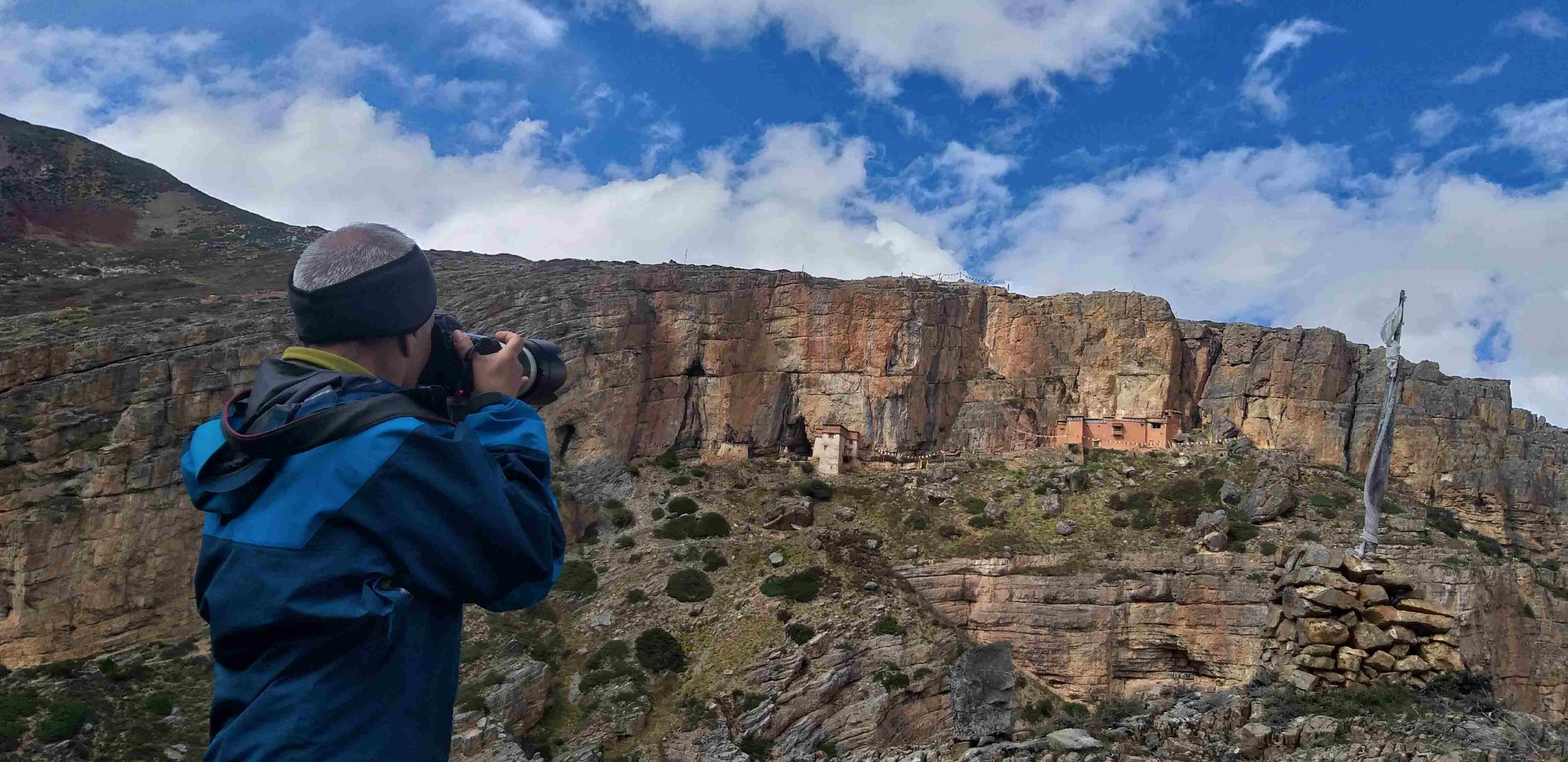
The Dolpo region of Nepal is a hidden gem nestled in the northwestern Himalayas, offering trekkers not only breathtaking landscapes but also a unique opportunity to observe some of the world’s rarest wildlife. Located within Shey Phoksundo National Park, Dolpo is an isolated area with limited human interference, allowing a thriving ecosystem where many rare and endangered species can be seen. Whether you’re on the Inner Dolpo Trek or the Mugu Dolpo Trek, Dolpo’s unspoiled wilderness offers plenty of opportunities for close encounters with fascinating wildlife.
This blog serves as a guide for trekkers looking to make the most of their wildlife-spotting experience in Dolpo, while also offering tips and recommendations for booking with Dolpo Caravan, the best trekking agency in the region.
Dolpo’s Unique Wildlife Ecosystem
The Dolpo region, lying at altitudes ranging from 2,500 to over 7,000 meters, boasts a wide variety of ecosystems—from alpine meadows and coniferous forests to snow-covered mountain peaks. These environments are home to numerous rare species that thrive in the area’s secluded terrain.
1. Snow Leopard
Arguably the most famous and elusive resident of Dolpo, the snow leopard is a symbol of Himalayan wildlife. Its thick fur and powerful limbs allow it to navigate the rugged landscape with ease. Though sightings are rare due to its stealth and camouflage, the snow leopard is most often spotted around the Inner Dolpo Trek route, particularly in the high-altitude regions near Shey Phoksundo Lake.
Best Trekking Spot: Shey Phoksundo National Park, especially during the autumn months when snow leopards are more active in lower altitudes.
2. Blue Sheep (Bharal)
Known as the primary prey for snow leopards, the blue sheep, or Bharal, is a common sight in Dolpo’s high-altitude grasslands. These agile creatures roam the rugged cliffs and high meadows in large herds. Their distinctive blue-grey coat blends with the rocky surroundings, making them difficult to spot at first, but persistence often pays off.
Best Trekking Spot: The Mugu Dolpo Trek is particularly famous for blue sheep sightings. You can often see them grazing in the meadows or scaling steep cliffs in the higher passes.
3. Musk Deer
The musk deer, known for its musk pod (used in traditional medicine and perfumes), is another rare and endangered species that thrives in the forests of Dolpo. With its small size and tusks, this deer species prefers to stay hidden among the dense vegetation, making it more challenging to spot. Musk deer are most commonly found in coniferous and birch forests at altitudes of 2,500 to 3,500 meters.
Best Trekking Spot: Along the Inner Dolpo Trek, particularly in forested areas like Ringmo and Phoksundo Lake, trekkers have the best chances of spotting musk deer.
4. Himalayan Griffon Vulture
The Himalayan Griffon, one of the largest birds of prey in the world, soars through Dolpo’s skies. These vultures are usually found circling high above the valleys, scanning the landscape for food. Their majestic presence and large wingspan make them a favorite among bird watchers.
Best Trekking Spot: You can often spot these vultures in the Dolpo region near the Shey Phoksundo National Park, especially on the high passes of the Inner Dolpo Trek.
5. Tibetan Wolf
The Tibetan wolf is another predator roaming the Dolpo region, often overshadowed by the snow leopard’s fame. These wolves live in packs and are highly territorial. Although more elusive, they can occasionally be spotted hunting in the alpine regions.
Best Trekking Spot: The remote valleys of the Mugu Dolpo Trek provide the best chances for spotting a Tibetan wolf, especially in areas less frequented by trekkers.
6. Himalayan Monal (Danphe)
Nepal’s national bird, the Himalayan Monal, also resides in the Dolpo region. With its iridescent plumage of green, blue, and purple, the Monal is a striking sight. Monals usually inhabit high-altitude forests and are more commonly seen during early mornings or late afternoons.
Best Trekking Spot: Trekkers often spot Monals along the Inner Dolpo Trek and near Shey Phoksundo Lake, especially during the spring months.
Best Time to Trek for Wildlife Spotting
Dolpo’s diverse wildlife is most active in specific seasons. Autumn (September to November) is one of the best times to trek, as animals tend to descend from the higher altitudes, and the weather is favorable for trekking. Spring (March to May) is another great time, particularly for birdwatching and spotting animals like the musk deer and blue sheep in the lush alpine meadows.
Trekking Routes for Wildlife Enthusiasts
1. Inner Dolpo Trek
The Inner Dolpo Trek takes you deep into the heart of the Dolpo region, offering trekkers a chance to explore the more secluded parts of Shey Phoksundo National Park. This route provides excellent opportunities to spot snow leopards, blue sheep, and Himalayan Griffons. Covering altitudes between 3,500 and 5,500 meters, the trek crosses rugged terrain and remote valleys, making it perfect for serious wildlife enthusiasts.
Key Wildlife: Snow leopards, musk deer, blue sheep, Himalayan Monal, Himalayan Griffon.
2. Mugu Dolpo Trek
The Mugu Dolpo Trek offers a different but equally rewarding experience. The trek covers the western part of Dolpo and traverses remote and unfrequented routes, including the Mugu district. This lesser-known path provides opportunities to observe Tibetan wolves, blue sheep, and occasionally snow leopards. The pristine environment and diverse altitudes make this trek perfect for wildlife photography and exploration.
Key Wildlife: Tibetan wolves, blue sheep, musk deer, and vultures.
Why Choose Dolpo Caravan, the Best Trekking Agency
When planning a trek in the Dolpo region, partnering with the right trekking agency is crucial to ensure a seamless experience. Dolpo Caravan, widely regarded as the best trekking agency for the region, specializes in organizing treks across Dolpo, including the Inner Dolpo Trek and Mugu Dolpo Trek. Here’s why you should choose Dolpo Caravan:
- Expert Guides: The agency provides experienced guides who are not only knowledgeable about the trekking routes but also skilled in tracking wildlife, increasing your chances of sightings.
- Ethical Trekking: Dolpo Caravan promotes responsible trekking that minimizes the impact on the environment and respects the local wildlife.
- Customizable Itineraries: Whether you’re a first-time trekker or an experienced adventurer, the agency offers customizable itineraries to suit your pace and wildlife interests.
- Cultural Encounters: In addition to wildlife, Dolpo Caravan includes cultural interactions with local Tibetan-influenced communities, enhancing your overall trekking experience.
Final Tips for Wildlife Spotting in Dolpo
- Be patient: Wildlife spotting requires time and patience. Animals in the Dolpo region are often elusive and may not appear immediately.
- Carry binoculars: Many animals, like the snow leopard or blue sheep, are often spotted at a distance. Binoculars will enhance your viewing experience.
- Respect nature: Maintain a safe distance from wildlife, avoid disturbing their habitat, and follow the ethical trekking guidelines promoted by Dolpo Caravan.
Conclusion
Dolpo is a treasure trove for wildlife lovers, offering unparalleled opportunities to witness rare animals in their natural habitat. Whether you’re embarking on the Inner Dolpo Trek or the more remote Mugu Dolpo Trek, the region promises unforgettable wildlife encounters. With Dolpo Caravan, the best trekking agency, your journey into this remote Himalayan wilderness will be both memorable and sustainable, giving you the chance to truly connect with nature while supporting local conservation efforts.
Recommended Read on Article “Unique Traditions of the Dolpo Region”: https://globalarticlefinder.com/cultural-encounters-unique-traditions-of-the-dolpo-region-dolpo-caravan/