If you’ve ever wondered how large motors and machinery run efficiently and safely in commercial settings, the answer lies in electrical motor controls. Whether you’re managing an industrial facility or setting up a commercial building, understanding electrical motor controls is key to ensuring your systems are efficient, safe, and long-lasting. This beginner’s guide will walk you through what electrical motor controls are, how they work, and why they’re vital for any electrical system, especially when paired with electrical power transformers and electrical distribution and motor control systems. industrial circuit breakers
What Are Electrical Motor Controls?
At their core, electrical motor controls are devices or systems that manage the operation of electrical motors, which are critical to many industrial and commercial processes. These controls ensure that motors start, stop, and run efficiently while protecting them from overloads, faults, and other issues that could lead to malfunction or damage.
Motors drive essential equipment such as pumps, fans, conveyors, and even air conditioning systems. Without proper motor control, these systems can become inefficient, unsafe, or subject to costly repairs. So, whether you’re working with a small motor in a commercial building or large industrial motors, understanding the role of motor control devices is vital.
Why Are Electrical Motor Controls Important for Commercial and Industrial Use?
Commercial motor controls are essential for managing the complex electrical needs of businesses and industries. These controls help ensure that motors operate smoothly, prevent power surges, and protect the equipment from failures that could disrupt operations. Here’s why electrical motor controls are so crucial:
• Efficient Operation: Proper motor control ensures that electrical motors run at optimal speeds and prevent energy wastage.
• Protection: These controls help prevent overheating, overloads, and electrical faults, reducing the risk of fires, equipment failure, and expensive repairs.
• Extended Lifespan: By controlling motor operation and preventing damage, motor controls increase the lifespan of motors and equipment.
• Safety: Electrical motor controls protect both people and property from electrical accidents caused by faulty motor operation.
How Do Electrical Motor Controls Work?
Electrical motor controls work by regulating the power supplied to the motor and managing the speed, torque, and direction of rotation. They can be simple, manual devices or complex, automated systems, depending on the application. There are several key components involved in motor control systems:
1. Motor Starter
The motor starter is the first line of defense in a motor control system. It is responsible for safely turning the motor on and off. There are two primary types of motor starters:
• Direct-On-Line (DOL) Starters: These are the simplest type of motor starter, often used for smaller motors. They provide full voltage to the motor from the start.
• Star-Delta Starters: Used for larger motors, these starters provide reduced voltage initially to avoid sudden high current draw when starting the motor.
2. Overload Protection
This is a safety feature that automatically disconnects the motor if it’s running too hot or drawing too much current. This prevents damage to both the motor and the electrical system.
3. Variable Frequency Drive (VFD)
For motors that require variable speeds, a VFD is used. A VFD adjusts the frequency of the electrical power supplied to the motor, allowing it to run at different speeds as needed.
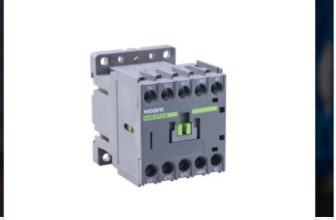
4. Contactors and Relays
These components control the flow of electricity to the motor. A contactor is used to switch the motor on and off, while relays are used to protect against faults by interrupting the current flow when an issue arises. residential circuit breakers
The Role of Electrical Power Transformers in Motor Control Systems
In commercial and industrial environments, electrical power transformers are essential for distributing electrical power to the necessary equipment, including motors. These transformers step down the voltage from the power grid to the level required by the motor and other equipment. Here’s how they work in conjunction with motor controls:
• Voltage Regulation: Electrical transformers ensure that motors receive the correct voltage for optimal performance. Using the right voltage helps motors run more efficiently and prevents overloading.
• Power Distribution: Transformers are essential for electrical distribution and motor control systems, allowing power to flow safely and efficiently to various components within a facility.
• Safety and Protection: By stepping down high voltage from the grid to lower, safer levels, transformers protect both electrical equipment and personnel from electrical hazards.
Understanding Electrical Distribution and Motor Control Systems
Electrical distribution and motor control systems are closely linked. Electrical distribution involves the process of delivering electricity from the power source to various electrical loads, such as lights, HVAC systems, and industrial motors. Motor control systems, on the other hand, regulate how electricity is supplied to the motors to ensure they run efficiently and safely.
A well-designed electrical distribution system, combined with motor controls, ensures that energy is efficiently delivered and used without causing overloads, downtime, or damage. Together, these systems create a reliable electrical infrastructure that supports smooth business operations.
Key Components of Electrical Distribution and Motor Control Systems:
• Transformers: To adjust voltage levels for different parts of the facility.
• Switchgear: Used for controlling, protecting, and isolating electrical equipment in a distribution system.
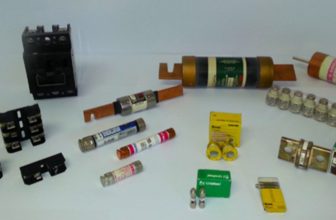
• Circuit Breakers: Protect circuits from overloads and short circuits.
• Motor Control Centers (MCCs): These centralized units house electrical components like starters, relays, and VFDs, providing easy and efficient management of multiple motors.
Tips for Selecting the Right Electrical Motor Controls
When selecting motor controls for your commercial or industrial application, it’s essential to choose components that match the specific needs of your electrical system and equipment. Here are some tips to guide your decision:
• Assess the Motor Size: Larger motors may require more complex motor control systems like VFDs or star-delta starters.
• Consider the Load: If the motor is powering equipment with varying loads, a VFD may be the best option for adjusting the motor speed.
• Plan for Future Growth: Choose motor controls that can handle future system upgrades or expansion needs, especially if you plan to add more motors or equipment.
• Choose Reliable Suppliers: Work with trusted suppliers who offer high-quality components, such as commercial motor controls, that meet industry standards for safety and performance.
Common Issues and Troubleshooting Tips for Electrical Motor Controls
Understanding potential issues with motor control systems can help prevent costly breakdowns. Here are some common problems and their solutions:
• Motor Not Starting: Check the motor starter, overload protection, and contactors to ensure they’re functioning correctly. Also, inspect the power supply to ensure voltage levels are correct.
• Motor Runs but Doesn’t Reach Full Speed: This could indicate issues with the VFD or motor starter. Inspect the system to ensure proper settings and connections.
• Frequent Tripping of Overload Protection: This could signal that the motor is under too much load, is overheating, or has a mechanical issue. Reduce the load and inspect the motor for any faults.
Conclusion
Electrical motor controls are essential for the smooth, efficient, and safe operation of motors, particularly in commercial and industrial applications. Whether you’re managing a small facility or overseeing large-scale industrial operations, understanding the role of commercial motor controls, electrical power transformers, and electrical distribution and motor control systems is key to ensuring optimal performance and preventing costly breakdowns.
By choosing the right motor control components, maintaining your system, and staying aware of common issues, you’ll help your motors and electrical systems run safely and efficiently for years to come. Investing in high-quality motor control systems today will not only protect your equipment but also save time, money, and resources in the long run. commercial circuit breakers