
Fingerprint Vein Pattern Recognition Industry to Set Stage for Vein Recognition Biometrics Market Growth, States Fact.MR

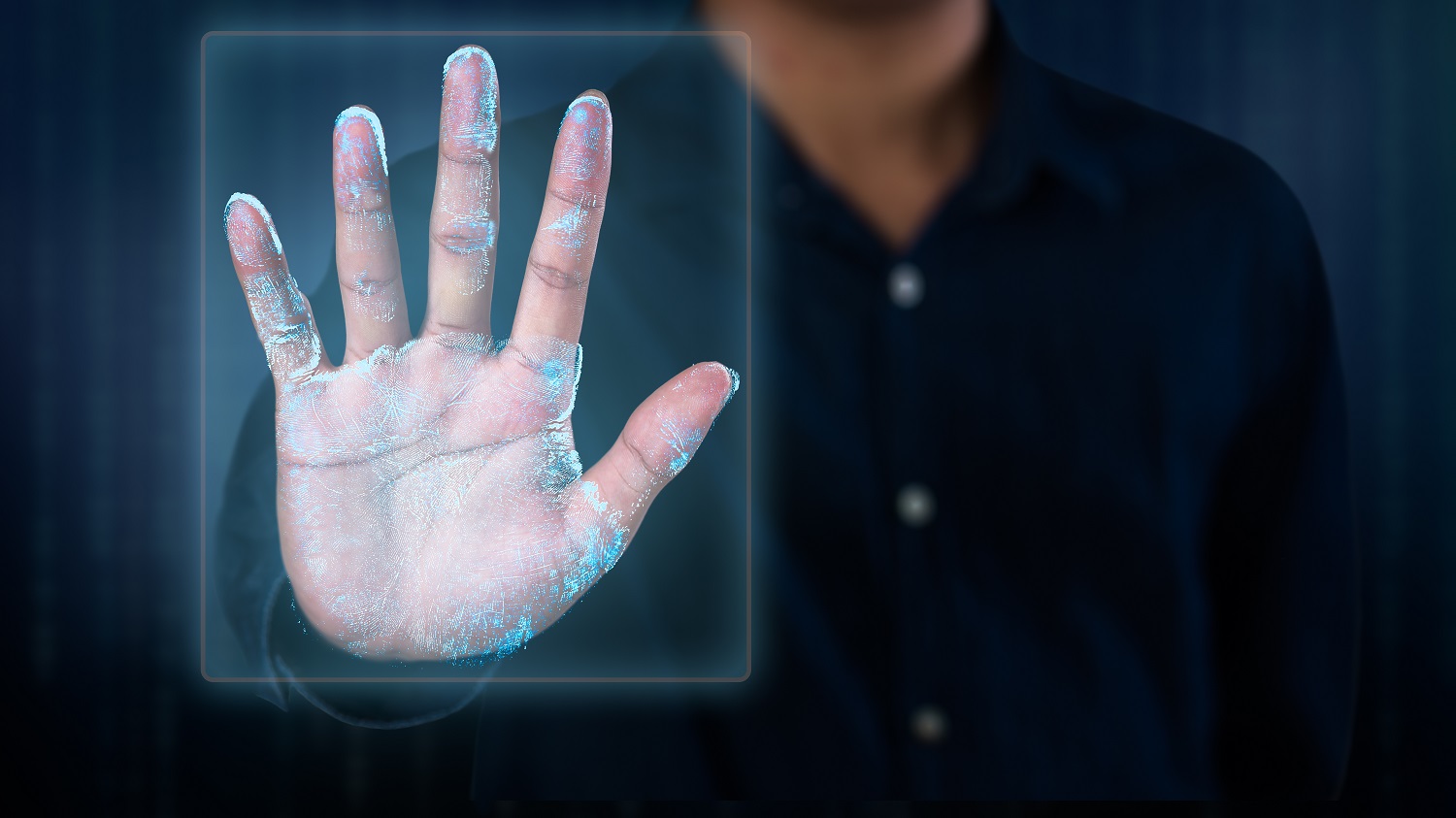
Vein recognition biometrics is a type of biometric authentication technology that uses the unique pattern of veins in an individual’s body as a means of identification. This technology relies on the fact that each person has a unique vein pattern, which is as unique as a fingerprint.
Vein recognition technology works by illuminating the veins in a person’s hand or finger with near-infrared light. The light is absorbed by the hemoglobin in the blood, and the veins appear as a dark pattern against a lighter background. A camera captures the image of the vein pattern and then processes it to create a biometric template that can be used for identification.
One of the main advantages of vein recognition technology is that it is highly accurate and difficult to fake or duplicate. Vein patterns are not visible on the surface of the skin, so they cannot be easily copied or forged. Additionally, vein patterns are not affected by changes in skin condition or environmental factors, such as cuts, bruises, or temperature changes.
Vein recognition technology has a wide range of potential applications, including in banking and financial institutions, access control systems, and healthcare settings. It is a fast and convenient way to verify a person’s identity without the need for physical contact or the use of passwords or PINs.
The global vein recognition biometrics market is likely to reach a valuation of US$ 1,024.4 million in 2022 and is expected to progress at a CAGR of 19.2% to reach US$ 5,977.0 million by the end of 2032.
The demand for vein recognition biometrics is expanding due to the increased use of contactless biometric technologies, growing security concerns, and government measures in favor of these technologies.
Vein Recognition Biometrics is becoming more popular in the banking industry
Vein recognition biometrics is a technology that uses infrared light to scan the vein patterns on an individual’s palm, hand or finger, and create a unique biometric identifier. This technology is gaining traction in the banking sector due to its high level of security and accuracy.
The adoption of vein recognition biometrics in the banking sector is increasing as it provides an additional layer of security in the verification process for banking transactions, account access, and other financial services. In contrast to other biometric authentication methods like fingerprints, vein recognition biometrics cannot be duplicated or stolen, making it more secure.
Moreover, vein recognition biometrics offers a convenient and user-friendly way of accessing financial services. This technology does not require direct contact, and it is not affected by skin conditions, making it an ideal solution for customers who may have difficulty with other biometric authentication methods.
Vein recognition biometrics is also being used in the banking sector to enhance the speed and efficiency of customer service. This technology reduces the time required to verify the identity of the customer and can help reduce fraudulent activities, which in turn can lead to lower costs for the bank and improved customer satisfaction.
Vein Recognition Biometrics Demand in USA
Vein recognition is a biometric technology that uses near-infrared light to capture the unique pattern of veins beneath the skin of a person’s hand, wrist, or finger. This technology has gained popularity in recent years due to its accuracy and non-invasive nature.
In the United States, there is a growing demand for vein recognition biometrics in various industries, including healthcare, finance, and security. In healthcare, vein recognition technology is being used to improve patient identification and to reduce medical errors. The technology is also being used in finance to enhance security in banking and payment systems.
According to a report by Fact.MR, The U.S. healthcare sector is the third largest sector in the country, which represented 19.7% of the U.S. economy in 2020 with a revenue share of $1.27 trillion. The total number of employees in the healthcare domain is approx. 14% adults. The report attributes this growth to the increasing need for secure identification and authentication systems in various industries, as well as the increasing adoption of biometric technologies in the region.
In addition, the COVID-19 pandemic has further increased the demand for contactless biometric technologies, such as vein recognition, to minimize the spread of the virus through surface contact. This has led to a surge in demand for vein recognition technology in various sectors, including healthcare, finance, and government.
Overall, the demand for vein recognition biometrics in the United States is expected to continue to grow in the coming years, driven by the need for secure and contactless identification and authentication systems.
Competitive Landscape of Vein Recognition Biometrics
Vein recognition biometrics is a type of biometric authentication that relies on the unique pattern of veins in an individual’s palm, finger or face for identification. This technology is becoming increasingly popular in the biometrics market due to its high level of accuracy, security and convenience.
The competitive landscape of vein recognition biometrics includes a number of key players, including:
- Fujitsu: Fujitsu is a leading provider of vein recognition biometrics technology. Its PalmSecure system is widely used in applications such as access control, time and attendance, and cashless payment systems.
- Hitachi: Hitachi is another major player in the vein recognition biometrics market. Its VeinID system uses infrared light to capture the pattern of veins in a user’s palm for authentication.
- M2SYS: M2SYS is a provider of vein recognition biometrics software that can be integrated into a variety of applications, such as point-of-sale systems, time and attendance systems, and access control systems.
- NEC: NEC is a global leader in biometric authentication technology, including vein recognition biometrics. Its VeinID system is used in a range of applications, such as secure authentication for online banking, e-commerce, and other transactions.
- BioEnable: BioEnable is an Indian-based provider of vein recognition biometrics technology. Its Palm Vein Authentication System is used in a range of applications, such as access control, time and attendance, and patient identification in healthcare settings.
- Crossmatch: Crossmatch is a leading provider of biometric identity management solutions, including vein recognition biometrics. Its Verifier Mw and Verifier 300 LC products are widely used in a range of applications, such as border control, law enforcement, and civil ID.
- IdentyTech Solutions: IdentyTech Solutions is a provider of identity management and access control solutions, including vein recognition biometrics. Its IdentyTouch system is designed for use in high-traffic environments, such as airports and stadiums.
- IDLink Systems: IDLink Systems is a provider of biometric access control and time and attendance solutions, including vein recognition biometrics. Its PalmSecure product is used in a range of applications, such as data centers, hospitals, and educational institutions.
Overall, the vein recognition biometrics market is highly competitive, with a number of major players vying for market share. These companies are competing on factors such as product features, reliability, security, and price to differentiate themselves and gain an edge in the market.


