

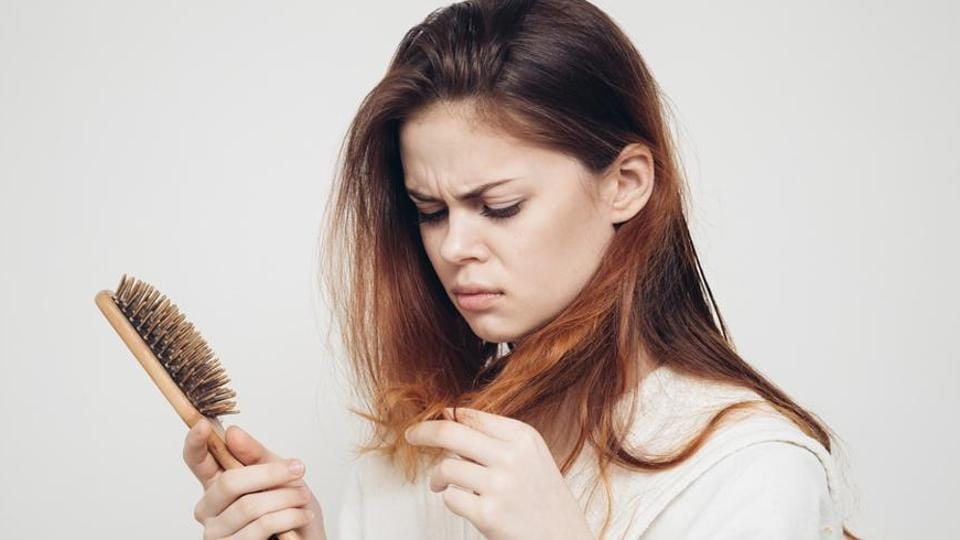
Many of us have experienced hair fall, especially women. Though some experience it more than others. In this blog post, we will tell you the one thing you can do to prevent hair fall and regain your confidence!
If you are looking to reduce hair loss in an efficient way, this article is for you! We’ll tell you about the most popular technique in combating hair loss – Minoxidil. It’s not just for treating baldness anymore!
What is minoxidil? What are its effects on the scalp? How does it work? All these questions will be answered in detail! We’ll also share some other methods that might be worth trying out before getting down with minoxidil.
Minoxidil has been used since the 1950s as a treatment for hypertension. However, in the 1980s, minoxidil was found to contain an active ingredient called ‘dihydrotestosterone’, or DHT.
We’re about to walk you through our top 10 natural ways to prevent hair loss. Have a look and pick out what works for you! We’ll add more tips in future blog posts so stay tuned!
1] Minoxidil and Blood Pressure: Minoxidil is used as a vasodilator to open your blood vessels and increase blood flow to your scalp. Increased blood flow to your scalp means an increase in nourishment for your hair follicles. There is also a benefit to opening the blood vessels in your scalp; this allows the toxins which cause hair loss to escape from your body!
2] Minoxidil and DHT: DHT is known as the ‘bad’ hormone when it comes to your hair. The testosterone found in men and women are converted into dihydrotestosterone, or DHT, by 5-alpha reductase. This 5-alpha reductase enzyme has been known to be present on human scalp skin cells. Studies have shown that scalp skin cells naturally produce DHT.
In fact, the amount of DHT present in your body depends on how long you’ve been bald! Scientists believe that having more DHT on the scalp means you have hair loss for a longer period of time. Having less DHT means that you are shedding hair earlier in life! Here’s why:
When your scalp produces more DHT, this hormone encourages the follicles to shed and be replaced by new ones. You will therefore experience hair loss over time. Conversely, when there is less DHT being produced by your scalp, the follicles do not shed as frequently and there is less balding and replacement of hair with new ones.


