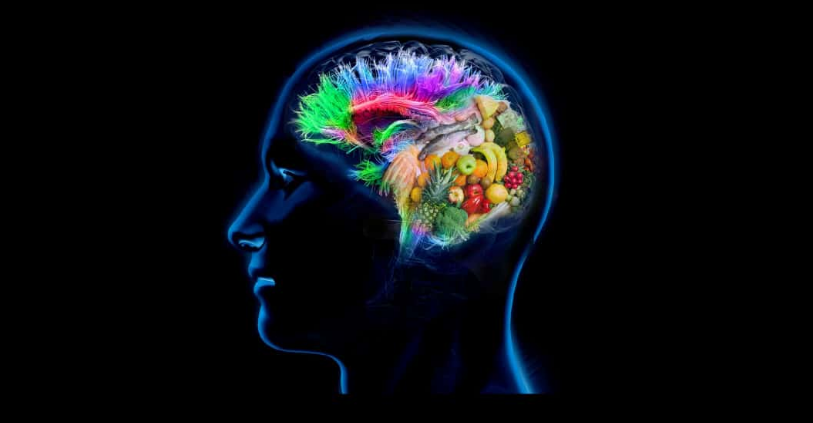
It is an enduring belief that nutrition plays an important role in an individual’s mental health. But is this true or not?
Both recent and previous studies have shown that diet (or lack thereof) has effects on how a person’s brain, mood, and behavior functions.
For example, suppose a person who has skipped a meal is noticeably weak, unfocused, and irritable. This case is aggravated when it extends to a certain period of time in which the person becomes severely temperamental and indifferent to the demands of his environment, showing a reduced reaction speed.
These behaviors occur due to a lack of nutritional input to the brain. The brain needs a large amount of energy and nutrients. In fact, it comprises 20% to 30% of the body’s total energy expenditure during rest periods. Therefore, any change in diet or the nutritional level of the body directly reflects mental functioning.
Chronic energy deprivation, as is the case with malnourished people, eventually leads to the body shutting down by reducing its activities and diverting all its energy sources to systems that need a greater energy supply. This results in altered activity levels, changes in hormone levels, decreased efficiency of the immune system and the transport of nutrients and oxygen to certain parts of the body, all of which can directly or indirectly affect mental health. People with extremely low nutrition are more likely to become sad, depressed and emotional compared to people who have adequate nutrition.
Newborn babies and fetuses are also prone to brain damage if they are exposed to a lack of necessary nutrition. The type and degree of damage depends on the severity of the malnutrition. Malnutrition in infants has also been found to cause poor intelligence, cognitive deficits, and functional abnormalities.
Mental nutrition and health-related nutrition is not new, but something has been overlooked by the public and, to some extent, health professionals. Diet and exercise are generally offered as helpful tips for combating mental disorders, but the information is often general. Doctors generally seek therapy and medication for the most prominent forms of depression and anxiety. They do this without looking specifically at how natural substances can help without the need for drugs or other expensive options.
How Nutrition Affects Mental Health ? Use of Proteins, carbohydrates, lipids, and vitamins have individual effects on the brain. The lack of supply of these necessary nutrients leads to changes in the activities of neurotransmitters, a chemical component of the brain that transmits a nerve impulse from one nerve cell to another. Transmitter interference can affect a person’s mood, thinking, and even sleeping patterns. Additionally, lack of nutrition can lead to nerve cell damage that can alter cognitive and mental functions.
Nutrition has a direct or indirect effect on mental health. Changes in a person’s nutritional intake can lead to changes in mental health and vice versa.
Neurotransmitters are made up in part of amino acids, the building blocks of proteins. For example, tryptophan forms the neurotransmitter serotonin. If the required amino acid is missing, the functions of the neurotransmitter cannot be performed, which affects the normal functioning of the brain. In the case of a lack of protein consumption and not supplying the necessary amino acid to produce serotonin, the body would experience a bad mood and perhaps aggression. On the other hand, diseases that can cause the accumulation of certain amino acids can lead to brain damage and affect a person’s mental health.
Mood regulation could also be associated with adequate dietary fat intake. Some studies have found inconclusive results on the correlation between serotonin levels and the intake of omega-3 fatty acids, a type of fat only found in white fish during stress and symptoms of bipolar disorder (a disorder of the mood causing both mania and depression). ). ).