In the realm of visual arts, few mediums offer the breadth of artistic expression and cultural diversity found in ink painting. From the traditional sumi-e brushwork of East Asia to contemporary ink painting that pushes the boundaries of convention, ink wall art techniques have evolved over centuries, creating a rich tapestry of styles and interpretations. In this exploration, we’ll embark on a journey through the fascinating world of ink wall art techniques, tracing their origins from the ancient art of Sumi-e to the modern expressions that define today’s ink art.
Sumi-e: The Art of Simplicity
Sumi-e, which translates to “ink painting” in Japanese, is a traditional East Asian ink painting technique with roots in China and Japan. Sumi-e emphasizes simplicity, minimalism, and capturing the essence of the subject with as few brushstrokes as possible. Artists use black ink, often ground from a solid inkstick, and brushes with various levels of softness to create harmonious compositions.
The process involves careful control of brush pressure, ink dilution, and brushwork speed to achieve varying tones and textures. Subjects in Sumi-e often include landscapes, nature, and traditional Chinese and Japanese motifs. The technique’s hallmark is its ability to convey depth and emotion through the dynamic interplay of ink and brush.
Zen Aesthetics in Sumi-e
Sumi-e is closely tied to Zen Buddhism, emphasizing mindfulness, spontaneity, and the idea of capturing the “spirit” or essence of a subject. Artists practice meditation to cultivate a clear and focused mind before approaching their work. This Zen influence is evident in the simplicity and economy of brushstrokes found in Sumi-e art.
Modern Interpretations: Breaking Boundaries
While traditional Sumi-e remains a revered and practiced art form, modern ink painting techniques have emerged that embrace experimentation and innovation. Contemporary artists often blend Sumi-e principles with new approaches, introducing color, abstract forms, and mixed media into their work.
Acrylic Ink Painting: Vibrant and Versatile
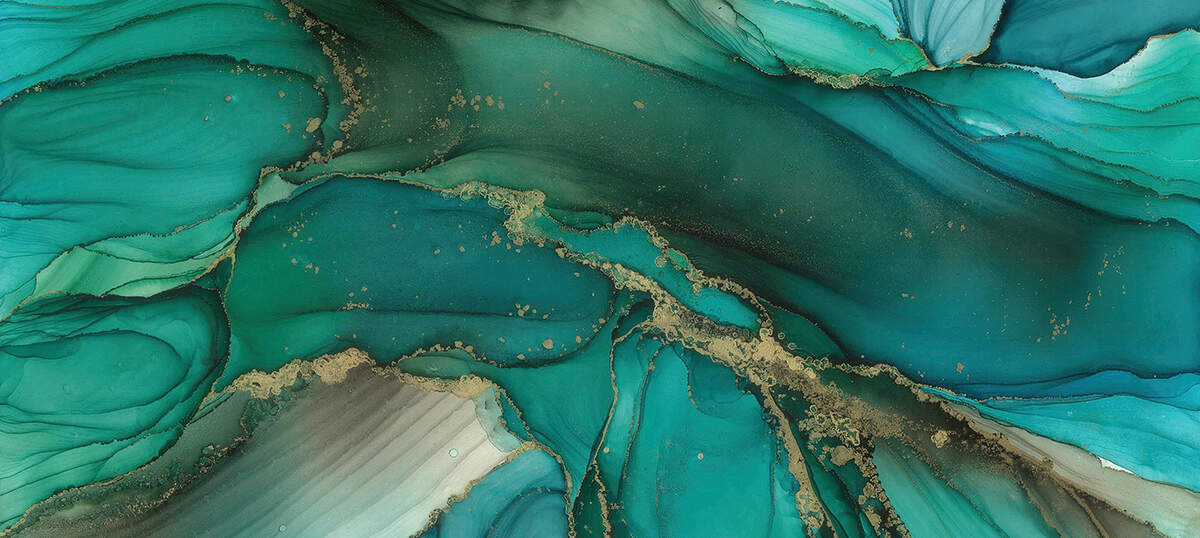
Acrylic ink painting is a modern evolution of traditional ink techniques. Acrylic inks offer artists the vibrancy of color while retaining the fluidity and transparency associated with ink. Artists use various tools, including brushes, pens, and even unconventional instruments, to apply acrylic inks to canvas or paper. This approach allows for the creation of bold, colorful, and expressive compositions.
Ink Wash Painting: Blending Precision and Spontaneity
Ink wash painting, also known as brush and ink painting, is characterized by its use of diluted ink to create delicate, layered, and nuanced artworks. Artists employ controlled brushwork and meticulous attention to detail to achieve a wide range of tonal variations. Subjects can include landscapes, portraiture, and abstract forms. The technique captures the balance between precision and spontaneous creativity.
Digital Ink Painting: Bridging the Traditional and Digital Worlds
Advancements in digital technology have given rise to digital ink painting, where artists use digital tools like graphic tablets and software to create ink-inspired works. This approach combines the freedom of digital artistry with the aesthetics of traditional ink painting, allowing for limitless experimentation and precise control over every brushstroke.
Conclusion: A Dynamic Artistic Legacy
Ink wall art techniques, from the timeless Sumi-e to modern interpretations, form a dynamic and evolving artistic legacy. They reflect the cultural diversity and creative spirit of artists across the world, illustrating how ink’s expressive potential knows no bounds. Whether steeped in tradition or pushing the boundaries of convention, ink wall art techniques continue to captivate, inspire, and serve as a testament to the enduring allure of ink as a medium of artistic expression.