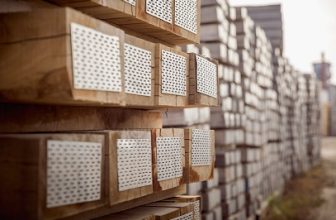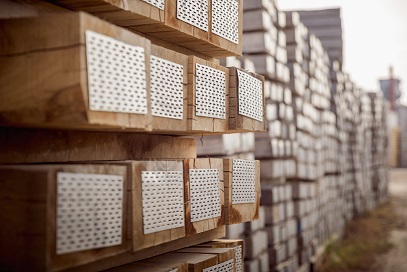
Railway sleepers are critical elements in the construction and maintenance of railways, providing the foundation for the track structure. They help maintain the correct alignment and gauge of the track by supporting the rails and distributing the weight of trains evenly. The stability of the track depends on the quality and material of the sleepers, as they are essential in keeping the track in place and ensuring the safety of train travel.
Historically, wooden sleepers were the first choice due to their availability and ease of installation. Today, however, concrete and steel sleepers have become more widely used due to their increased strength, durability, and resistance to the effects of weather and wear. These modern materials have transformed railway construction, allowing for faster, safer, and more efficient rail systems worldwide.
The choice of material for railway sleepers depends on various factors, including climate conditions, the volume of train traffic, and the geographical location of the railway. Each type of sleeper material offers unique benefits, making it important to choose the one that best fits the needs of the specific railway system.
The importance of durable railway sleepers
Durability is one of the most important factors to consider when choosing railway sleepers. Whether constructed from wood, concrete, or steel, sleepers must withstand the immense weight of passing trains, as well as environmental factors such as moisture, temperature changes, and pressure from frequent use.
Durability also influences the frequency of maintenance required, making it essential for rail operators to choose materials that will last.
| Material | Durability Factors |
| Wooden Sleepers | Prone to rot and wear, requires more frequent maintenance |
| Concrete Sleepers | Resistant to moisture and temperature changes, longer lifespan |
| Steel Sleepers | Long-lasting, but may corrode over time if not treated |
Concrete and steel sleepers have a significant advantage in terms of longevity. Concrete sleepers are resistant to environmental factors such as moisture and temperature changes, meaning they don’t suffer from the same issues that wooden sleepers do, such as rotting.
Materials used in railway sleeper construction
Railway sleepers are available in several materials, each offering different properties suited to specific environments and railway needs. The three most common materials used are wood, concrete, and steel.
Wooden sleepers are the traditional choice and are still used in some areas, especially where the railway line operates in more temperate climates. Wood offers natural resilience and flexibility, but it is also prone to decay, rot, and pest infestations. Modern timber treatments can extend the life of wooden sleepers, but they still require more maintenance than concrete or steel options. Types of materials:
- Wood
- Concrete
- Steel
Concrete sleepers, however, are far more durable and require significantly less maintenance. These sleepers are impervious to rot and pests and are more resistant to weathering and wear. Concrete sleepers are an ideal choice for high-speed trains and heavy freight lines, offering long-term stability without the need for frequent replacements.
Choosing the right railway sleeper for your needs
Selecting the right type of sleeper for a railway system depends on multiple factors, such as environmental conditions, the expected train traffic, and the overall cost of maintenance. It is essential to carefully consider the advantages of each material before making a decision. In addition to material choice, factors like the sleeper’s design and the method of installation also play a role in the track’s performance and lifespan.
For example, while wooden sleepers may still be used in some parts of the world due to their low initial cost, they may not be suitable for areas that experience extreme weather conditions. Factors to consider:
- Environmental conditions
- Train traffic and weight
- Initial and long-term costs
- Sleeper design and installation method
Railway operators should also consider the type of trains that will be operating on the track. High-speed trains, for example, require sleepers that can withstand higher forces and pressures. Freight trains, on the other hand, may require a different type of sleeper to accommodate the additional weight they carry.
Sustainable practices in railway sleeper production
Sustainability is becoming an increasingly important factor in the railway industry, and railway sleepers are no exception. The production of railway sleepers from sustainable materials helps minimize environmental impact and ensures that the infrastructure is built with future generations in mind.
Wooden sleepers can be sourced from sustainably managed forests, ensuring that their production doesn’t contribute to deforestation. Concrete and steel sleepers, although not biodegradable, can be recycled and repurposed, which makes them a more environmentally friendly choice in the long term.
Railway companies are increasingly adopting greener production practices for sleepers, including using recycled materials or opting for more energy-efficient manufacturing processes. By embracing sustainability, the railway industry is reducing its ecological footprint while still meeting the performance demands of modern rail networks.