SEO Techniques to Boost Your Cleaning Service Website
In the highly competitive cleaning service industry, mastering on-page SEO is essential for enhancing visibility and attracting potential clients. By optimizing individual web pages, you can improve your search engine rankings and provide a better user experience. This article outlines effective SEO techniques tailored to cleaning companies to get more clients.
What is On-Page SEO?
On-page SEO refers to the practice of optimizing various elements on your website to improve its search engine rankings. This includes content quality, HTML source code, title tags, and URL structures. Unlike off-page SEO, which involves activities outside your website (like backlinks), on-page SEO focuses solely on your site’s internal factors.
Why is On-Page SEO Important for Cleaning Services?
- Increased Visibility: A well-optimized website is more likely to appear on the first page of search engine results, making it easier for potential customers to find your services.
- Improved User Experience: Optimizing your site can enhance usability, leading to longer visits and higher conversion rates.
- Targeted Traffic: By using relevant keywords, you can attract visitors actively searching for cleaning services in your area.
Essential On-Page SEO Techniques
1. Keyword Research
Effective on-page SEO starts with thorough keyword research. Identify keywords relevant to your cleaning services, such as “house cleaning services,” “office cleaning,” or “carpet cleaning.” Tools like Google Keyword Planner, Ahrefs, and SEMrush can help you find keywords with high search volumes and low competition.
2. Optimize Title Tags
Your title tag is a critical on-page element that tells search engines what your page is about. It should be concise (50-60 characters), include your primary keyword, and be compelling enough to encourage clicks. For example:
- Optimized Title: “Professional House Cleaning Services | [Your Company Name]”
3. Craft Compelling Meta Descriptions
Meta descriptions provide a summary of your page’s content and appear under your title in search results. Keep them between 150-160 characters, include relevant keywords, and create a call to action (CTA). For example:
- Example Meta Description: “Looking for reliable house cleaning services? Our expert team at [Your Company Name] ensures a spotless home. Contact us today!”
4. Use Header Tags Wisely
Header tags (H1, H2, H3, etc.) structure your content and make it easier for readers and search engines to understand.
- H1 Tag: Use one H1 tag per page that includes your primary keyword.
- H2 and H3 Tags: Use these for subheadings, ensuring they contain relevant keywords and variations.
5. Create High-Quality, Relevant Content
Content is king in SEO. Ensure your content is original, informative, and engaging. Consider creating blog posts, guides, or service pages that address common cleaning-related questions. Incorporate keywords naturally and avoid keyword stuffing, which can harm your rankings.
6. Optimize Images
Images enhance the user experience but can slow down your website if not optimized.
- File Names: Use descriptive file names that include keywords (e.g., “house-cleaning-service.jpg”).
- Alt Text: Write descriptive alt text for each image to help search engines understand the context and improve accessibility.
7. Improve URL Structure
A clean and descriptive URL structure enhances user experience and SEO. Use keywords in your URLs, and keep them short and readable. For example:
- Optimized URL: www.yourcleaningservice.com/house-cleaning-services
8. Internal Linking
Internal links connect different pages on your website, helping users navigate and spreading link equity throughout your site. Use descriptive anchor text that includes relevant keywords to enhance SEO.
9. Mobile Optimization
With a significant number of users accessing websites via mobile devices, it’s crucial to ensure your site is mobile-friendly. Use responsive design to ensure your site looks good on all screen sizes and optimize loading times.
10. Page Speed Optimization
Page loading speed is a crucial ranking factor. Use tools like Google PageSpeed Insights to analyze and improve your site’s speed. Some common optimization strategies include:
- Compressing Images: Reduce image file sizes without sacrificing quality.
- Minifying CSS and JavaScript: Remove unnecessary characters from your code to improve loading times.
11. Use Schema Markup
Schema markup is a type of structured data that helps search engines understand your content better. Implement schema for local businesses to enhance your search results with rich snippets, making them more attractive to potential customers.
12. Implement a Blog
Having a blog on your cleaning service website provides several benefits:
- Fresh Content: Regularly updated content signals to search engines that your site is active.
- Keyword Opportunities: Blogs allow you to target long-tail keywords and answer customer questions.
13. Local SEO
For cleaning services, local SEO is vital. Here are a few techniques:
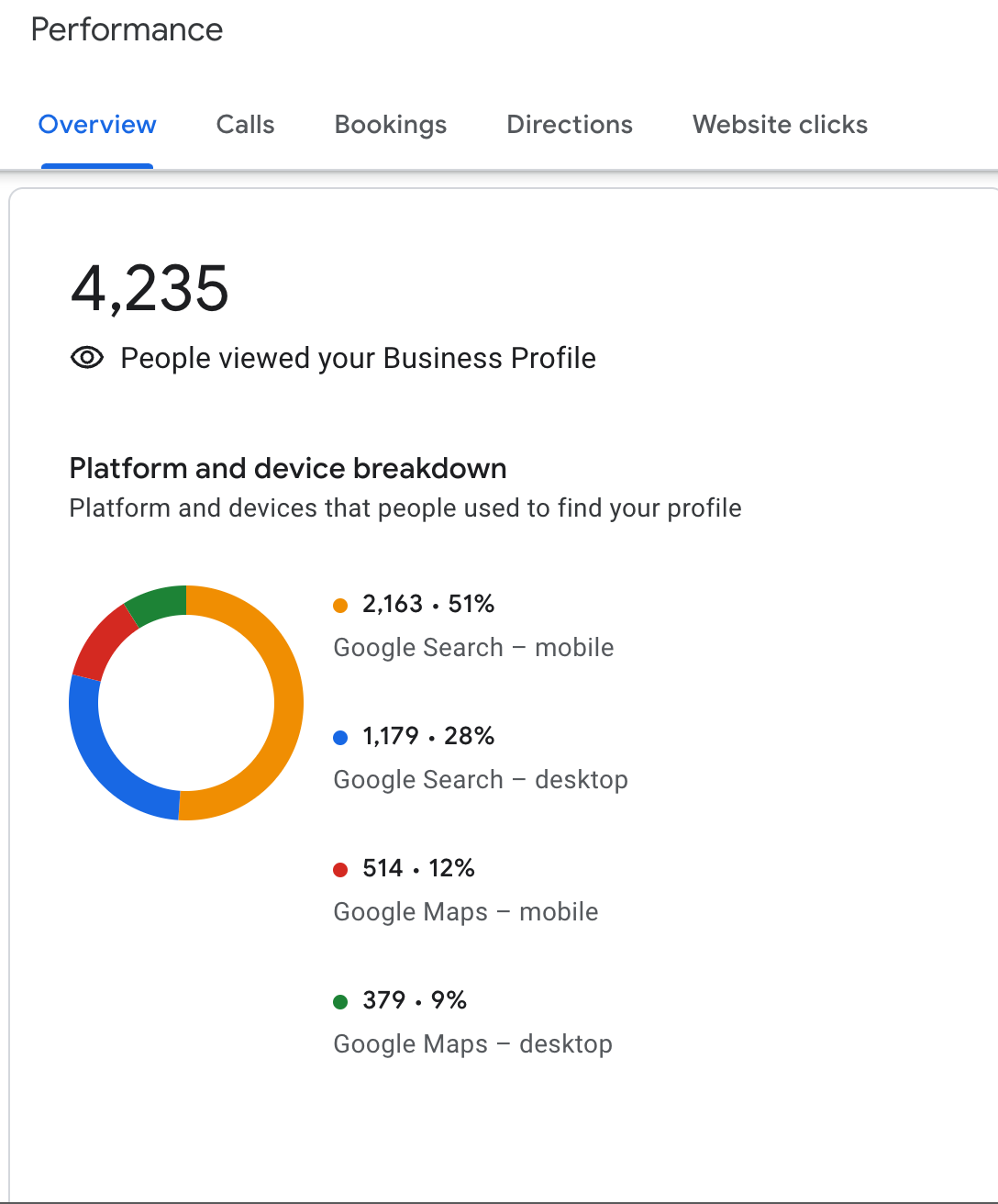
- Google My Business: Create and optimize your Google My Business listing, ensuring that your address, phone number, and business hours are accurate.
- Local Keywords: Incorporate local keywords into your content, like “cleaning services in [City Name].”
14. Use Social Proof
Incorporate customer reviews and testimonials on your website. This not only helps with SEO but also builds trust with potential clients. Ensure these reviews are easy to find, such as on your homepage or service pages.
15. Regularly Update Content
Search engines favor fresh content. Regularly update existing pages with new information, statistics, or images. This shows search engines that your website is current and relevant.
16. Analyze Performance
Regularly analyze your website’s performance using tools like Google Analytics and Search Console. Monitor your rankings, traffic sources, and user behavior to identify areas for improvement.
17. Focus on User Experience (UX)
Ultimately, the goal of on-page SEO is to enhance user experience. Ensure your site is easy to navigate, visually appealing, and provides valuable information.
- Avoid Clutter: Keep design clean and straightforward.
- Clear CTAs: Make sure your calls to action are clear and encourage users to take the next step.
Also Read >>
https://globalarticlefinder.com/why-google-business-profile-is-crucial-for-cleaning-companies/
Conclusion
Implementing these on-page SEO techniques can significantly enhance your cleaning service website’s visibility and performance in search engines. By focusing on keyword optimization, high-quality content, and a positive user experience, you can attract more potential clients and ultimately grow your business. Stay updated with SEO trends and continuously refine your strategies to stay ahead of the competition.