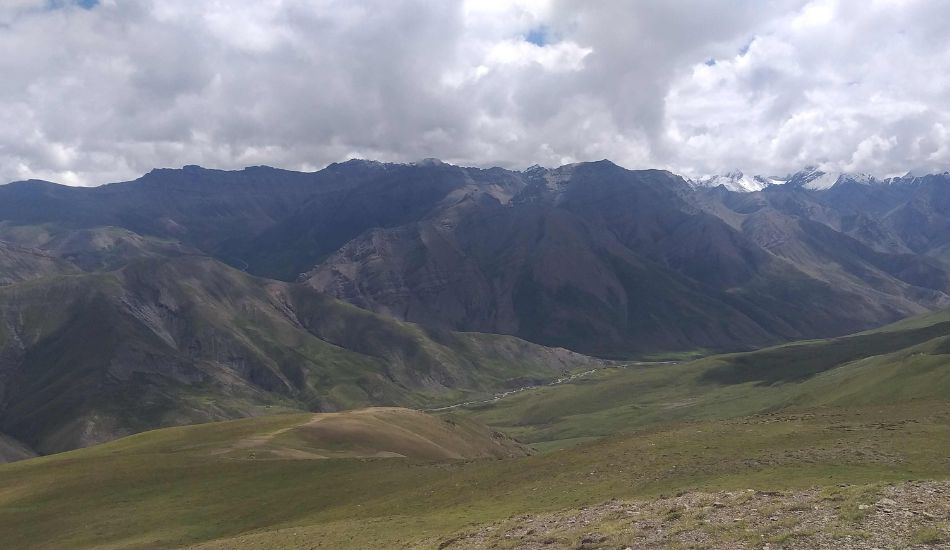
The Best Time to Embark on the Inner Dolpo Trek: A Seasonal Guide
Trekking in Nepal offers some of the most breathtaking landscapes and challenging trails in the world. Among the hidden gems of Nepal is the Inner Dolpo Trek, a journey through the mystical, remote, and rugged landscapes of the Dolpo region. If you’re eyeing this adventure, knowing when to go can make all the difference in your trekking experience. In this seasonal guide, we’ll explore the best times to embark on the Inner Dolpo Trek, factoring in weather, trail conditions, and the overall experience each season offers.
What is the Inner Dolpo Trek?
The Inner Dolpo Trek is one of the most remote and least-visited trekking routes in Nepal, located in the far-western region. This challenging trek passes through both Upper and Lower Dolpo, taking adventurers into pristine landscapes, high passes, and ancient Tibetan-influenced villages. It’s not just the rugged beauty that makes it unique, but also the region’s isolation from the rest of the world. If you’re up for a true off-the-beaten-path experience, this trek offers a mesmerizing mix of stark beauty, cultural immersion, and spiritual exploration.
Trekking Seasons in Nepal: An Overview
Before we dive into the specific seasons, it’s helpful to understand Nepal’s four primary trekking seasons:
- Spring (March to May): Blooming landscapes and moderate temperatures.
- Monsoon/Summer (June to August): Heavy rains but fewer crowds.
- Autumn (September to November): Clear skies and ideal trekking conditions.
- Winter (December to February): Cold temperatures, snow, and challenging trails.
Each season presents unique advantages and challenges when it comes to trekking in the Dolpo region. Let’s explore these in more detail.
1. Spring (March to May): Blooming Beauty and Pleasant Temperatures
Spring is arguably one of the best times to embark on the Inner Dolpo Trek. The temperatures are moderate, ranging from cool in the mornings and evenings to pleasantly warm during the day. The lower regions are often lush with blooming rhododendrons and alpine flowers, while the higher altitudes offer clearer skies for spectacular views.
Pros:
- Comfortable trekking weather (not too hot, not too cold).
- Stunning wildflower blooms, especially in Lower Dolpo.
- Fewer trekkers than in the autumn season.
Cons:
- High mountain passes like Kang La can still have snow, which may make crossing more challenging.
Ideal For: Trekkers who prefer moderate temperatures and are keen on seeing the landscape come to life after winter.
2. Summer/Monsoon (June to August): An Adventure for the Bold
The summer monsoon season is a tricky time for trekking in Nepal due to heavy rainfall, leeches, and slippery trails in many regions. However, the Inner Dolpo lies in the rain shadow of the Himalayas, meaning it receives significantly less rain than other parts of the country. This makes it a possible—though not ideal—time for trekking in this region.
Pros:
- Fewer crowds, offering a more secluded and personal experience.
- Lush green landscapes in the Lower Dolpo area.
Cons:
- Cloudy skies can obscure mountain views.
- Monsoon rains can cause landslides and challenging trekking conditions, especially at lower elevations.
Ideal For: Seasoned trekkers looking to avoid the crowds and who don’t mind the unpredictability of the weather.
3. Autumn (September to November): Crystal Clear Views and Perfect Trekking Weather
Autumn is the most popular time for trekking in Nepal, and for good reason. After the monsoon, the skies clear up, and the air is fresh, making for crisp, clear views of the surrounding mountains. The trails are generally dry, and the weather is stable, making it the perfect time to tackle the high passes of the Inner Dolpo Trek.
Pros:
- Ideal weather for trekking—neither too cold nor too hot.
- Clear, unobstructed views of the mountains.
- Dry trails and easier navigation across high passes.
Cons:
- Peak trekking season means you might encounter more trekkers, although the Dolpo region still remains relatively remote.
Ideal For: Trekkers who want the best weather and clear views, and don’t mind sharing the trail with a few more adventurers.
4. Winter (December to February): A Snowy Challenge for the Brave
Winter trekking in the Inner Dolpo region is only for the most experienced and prepared adventurers. The high passes, such as Kang La and Saldang La, are often snow-covered and extremely difficult to cross. Temperatures drop significantly, especially at higher altitudes, and many of the teahouses along the route close for the season.
Pros:
- Absolute solitude—very few trekkers venture to Inner Dolpo during winter.
- Pristine, snow-covered landscapes that offer a different kind of beauty.
Cons:
- Extremely cold temperatures, especially at night.
- Dangerous trail conditions due to snow and ice.
- Limited accommodation options due to closed teahouses.
Ideal For: Highly experienced trekkers who crave a challenge and are well-equipped for cold and snowy conditions.
Inner Dolpo Trek Itinerary Overview
Whether you’re trekking in spring, summer, autumn, or winter, a well-planned Inner Dolpo Trek itinerary is crucial. Here’s a simplified itinerary, assuming ideal conditions:
- Day 1: Arrive in Kathmandu
- Day 2: Flight to Nepalgunj
- Day 3: Flight to Juphal, trek to Dunai
- Day 4: Trek to Tarakot
- Day 5-6: Continue to Laini and Nawarpani
- Day 7-8: Trek to Dho Tarap and acclimatization
- Day 9-10: Trek to Numa La Base Camp and cross Numa La Pass
- Day 11-12: Cross Baga La Pass, trek to Phoksundo Lake
- Day 13-15: Explore Phoksundo, trek to Juphal
- Day 16: Return flight to Kathmandu
This itinerary can vary slightly depending on the season and weather conditions, but it gives a rough idea of what to expect during your Inner Dolpo adventure.
Choosing Between Upper and Lower Dolpo
The Inner Dolpo Trek covers both Upper Dolpo and Lower Dolpo, two distinct areas that offer their own unique experiences. Upper Dolpo is more isolated, higher in altitude, and culturally closer to Tibet, with ancient monasteries and settlements that seem frozen in time. On the other hand, Lower Dolpo offers greener landscapes and is more accessible but still incredibly remote and beautiful. Depending on your time, fitness level, and interest, you can tailor your trek to focus on one or both regions.
Explore our page: https://www.dolpocaravantreks.com/upper-dolpo-trek
Final Thoughts: When Should You Embark on the Inner Dolpo Trek?
The best time for the Inner Dolpo Trek largely depends on what kind of experience you’re after. If you’re looking for the perfect combination of good weather and beautiful scenery, autumn and spring are the top choices. For trekkers seeking solitude and a more daring adventure, the winter and monsoon seasons offer their own unique challenges.
No matter when you go, the Inner Dolpo Trek is a rare and rewarding experience that will leave you in awe of Nepal’s hidden wilderness. Just remember to plan accordingly, pack well, and prepare for an unforgettable journey into one of the most remote parts of the Himalayas. Book Your Dolpo Trek Tour with Dolpo Caravan Trek, The best travel agency in Nepal.