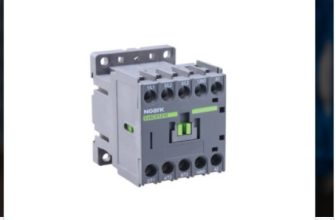
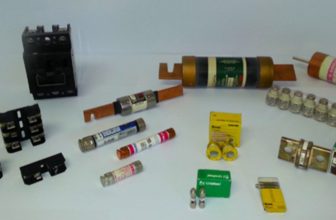
Commercial circuit breakers are critical components in electrical systems, designed to protect circuits from overcurrents and ensure the safety and reliability of commercial establishments. Understanding the types, applications, and considerations when choosing commercial circuit breakers is essential for maintaining optimal electrical performance. This comprehensive guide explores various types of commercial circuit breakers, their applications, and important factors to consider. industrial circuit breakers
Introduction to Commercial Circuit Breakers
Commercial circuit breakers are robust devices that automatically interrupt electrical flow when excessive current is detected, preventing damage to equipment, minimizing downtime, and enhancing safety. They are integral to electrical distribution systems in commercial buildings, ensuring protection against short circuits, overloads, and other electrical faults.
Types of Commercial Circuit Breakers
1. Molded Case Circuit Breakers (MCCBs)
• Features: MCCBs are commonly used in commercial applications due to their ability to handle higher currents and provide adjustable trip settings.
• Applications: Suitable for protecting larger electrical circuits and machinery in commercial environments.
2. Miniature Circuit Breakers (MCBs)
• Compact Design: MCBs are smaller in size and designed for lower current applications, offering protection for lighting, outlets, and smaller equipment.
• Versatility: Widely used in commercial settings where space is limited and reliable circuit protection is required.
3. Air Circuit Breakers (ACBs)
• High Current Handling: ACBs are capable of handling higher currents than MCCBs and MCBs, making them suitable for heavy-duty applications in commercial and industrial settings.
• Advanced Protection Features: Offer advanced protection features such as adjustable trip settings, fault indication, and remote monitoring capabilities. residential circuit breakers
4. Ground Fault Circuit Interrupters (GFCIs)
Enhanced Safety: GFCIs detect ground faults and quickly disconnect power to prevent electric shocks, essential in areas where water and electricity may come into contact.
5. Arc Fault Circuit Interrupters (AFCIs)
Fire Prevention: AFCIs detect potentially dangerous arc faults in wiring and disconnect power to mitigate fire risks, commonly used in commercial buildings to enhance safety.
Applications of Commercial Circuit Breakers
Commercial circuit breakers are used in various applications across different industries:
• Office Buildings: Protecting lighting, HVAC systems, and office equipment.
• Retail Stores: Safeguarding electrical circuits for lighting, point-of-sale systems, and security systems.
• Manufacturing Facilities: Ensuring safety for machinery, production lines, and heavy-duty equipment.
• Healthcare Facilities: Protecting critical medical equipment and maintaining uninterrupted power supply.
• Hotels and Hospitality: Supporting electrical systems for guest rooms, kitchens, and common areas.
Considerations for Choosing Commercial Circuit Breakers
When selecting commercial circuit breakers, consider the following factors:
• Current Ratings: Ensure the circuit breaker’s current rating matches the electrical load and equipment it protects.
• Trip Characteristics: Choose breakers with appropriate trip characteristics (thermal, magnetic, or electronic) based on application requirements.
• Environmental Conditions: Consider the operating environment (temperature, humidity) to ensure breakers perform reliably.
• Regulatory Compliance: Adhere to industry standards and local electrical codes when installing or replacing circuit breakers.
• Manufacturer Reputation: Opt for reputable manufacturers known for producing high-quality, reliable circuit protection devices.
Conclusion
Commercial circuit breakers play a crucial role in ensuring electrical safety, reliability, and efficiency in commercial buildings. By understanding the types, applications, and considerations when selecting circuit breakers, businesses can effectively protect their electrical infrastructure and minimize downtime due to electrical faults. Investing in quality circuit protection not only enhances safety but also contributes to the overall operational efficiency and longevity of electrical systems in commercial environments.