The role of artificial intelligence and machine learning in optimizing digital signage content

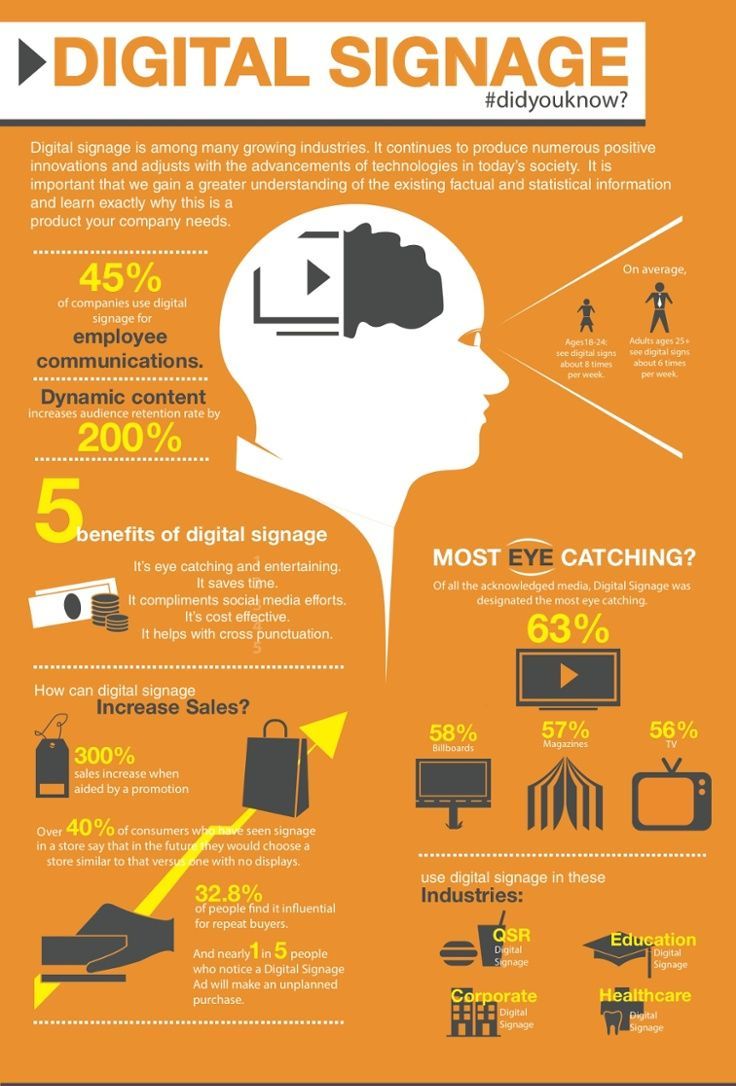
Artificial Intelligence (AI) and Machine Learning (ML) are rapidly transforming the way we create, manage, and optimize digital signage content. These technologies enable businesses and organizations to deliver personalized, targeted, and relevant content to their audience. In this article, we will explore the role of AI and ML in optimizing digital signage content.
Content creation and curation:
AI and ML are revolutionizing the way we create and curate digital signage content. With the help of these technologies, businesses and organizations can automatically generate content, such as images, videos, and text. AI and ML algorithms can analyze data from various sources, such as social media feeds, news websites, and online databases, to generate relevant and engaging content.
Moreover, AI and ML algorithms can analyze the performance of digital signage content to identify the most effective content types and formats. Based on this analysis, businesses and organizations can create and curate content that resonates with their audience and achieves their advertising and communication objectives.
Personalization:
Personalization is a critical component of digital signage content optimization. With the help of AI and ML, businesses and organizations can deliver personalized content to their audience. AI and ML algorithms can analyze data from various sources, such as social media profiles, purchase history, and online behavior, to create personalized content that resonates with the viewer.
For example, a retailer can use AI and ML algorithms to analyze the purchase history and online behavior of its customers to deliver personalized recommendations on its digital signage displays. This will help the retailer to increase customer engagement and loyalty, resulting in increased sales and revenue.
Dynamic content:
AI and ML are enabling businesses and organizations to deliver dynamic and interactive digital signage content. AI and ML algorithms can analyze data in real-time, such as weather updates, social media trends, and news headlines, to create relevant and engaging content.
For example, a restaurant can use AI and ML algorithms to analyze the weather and create digital signage content promoting hot beverages and soups on a cold day. This will help the restaurant to increase sales and revenue by delivering relevant and timely messaging to its audience.
Predictive analytics:
AI and ML algorithms can analyze data from various sources, such as sales data, customer feedback, and online behavior, to predict future trends and behaviors. This enables businesses and organizations to create and curate content that aligns with the predicted trends and behaviors.
For example, a retailer can use AI and ML algorithms to analyze sales data and predict future demand for certain products. Based on this analysis, the retailer can create digital signage content promoting the predicted high-demand products, resulting in increased sales and revenue.
Conclusion
In conclusion, AI and ML are playing a critical role in optimizing digital signage content. These technologies enable businesses and organizations to create, curate, and deliver personalized, targeted, and relevant content to their audience. AI and ML algorithms can analyze data in real-time, predict future trends and behaviors, and create dynamic and interactive content. By leveraging AI and ML, businesses and organizations can optimize their digital signage content, increase engagement and loyalty, and achieve their advertising and communication objectives.