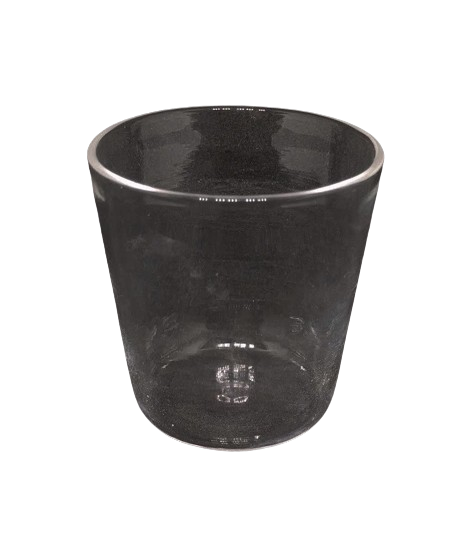
Quartz crucibles play a vital role in industries like semiconductor manufacturing, lab experiments, and glass production. While highly reliable, these crucibles can face issues that affect their performance and longevity. Let’s dive into the top 5 common issues and explore practical solutions to overcome them.
Crucible Cracking
Crucible cracking is one of the most prevalent issues users encounter. Quartz crucible are known for their brittleness, which makes them prone to cracks under specific conditions.
Common Causes of Cracking:
- Sudden temperature changes cause thermal stress.
- Improper handling or storage.
- Overuse beyond recommended temperature limits.
Preventive Measures to Avoid Cracks:
- Gradually heat the crucible to avoid thermal shock.
- Use protective gloves and tools while handling.
- Inspect for minor cracks before use.
Repair Options for Minor Cracks:
- Use a quartz adhesive designed for high-temperature applications.
- Consult professionals for extensive damage.
Thermal Shock Resistance
Thermal shock occurs when a crucible is exposed to rapid temperature fluctuations. This can lead to fractures or complete failure.
Understanding Thermal Shock and Its Effects:
- Quartz’s high thermal expansion coefficient makes it sensitive to sudden temperature shifts.
Tips for Handling Extreme Temperature Changes:
- Avoid pouring cold substances into a hot crucible.
- Preheat the crucible gradually before intense use.
Best Practices for Thermal Stability:
- Invest in high-grade quartz crucibles designed for superior thermal resistance.
- Regularly monitor temperature changes during operations.
Contamination and Purity Issues
Contamination can compromise the integrity and functionality of a quartz crucible, leading to inaccurate results in sensitive applications.
Sources of Contamination in Quartz Crucibles:
- Residue from previous use.
- External pollutants like dust or chemicals.
How to Maintain Crucible Purity:
- Store crucibles in a clean, dry environment.
- Avoid mixing different materials in the same crucible.
Cleaning and Maintenance Techniques:
- Use a soft brush to remove debris after each use.
- Employ chemical cleaning solutions suitable for quartz material.
Wear and Tear Over Time
Prolonged usage can degrade even the most durable quartz crucibles.
Signs Your Crucible Needs Replacement:
- Visible cracks, discoloration, or deformities.
- Reduced thermal performance.
Extending Crucible Lifespan with Proper Care:
- Rotate crucibles in high-demand applications to minimize stress.
- Perform routine inspections to identify early signs of wear.
Cost-Effectiveness vs. Quality
Finding the right balance between cost and quality ensures better performance and durability of quartz crucibles.
Choosing the Right Supplier for Quartz Crucibles:
- Opt for suppliers with proven expertise and quality certifications.
- Read reviews and request samples before bulk purchases.
Cost-Saving Tips Without Compromising Quality:
- Invest in mid-range crucibles for non-critical applications.
- Recycle worn-out crucibles where possible.
Conclusion
Addressing these common issues can significantly enhance the efficiency and longevity of your quartz crucibles. By implementing these tips, you’ll ensure smoother operations and better outcomes in your applications.