As someone who recently went through the process, I understand how overwhelming it can be to figure out how to obtain a Concealed Weapons Permit in Maryland. Maryland’s laws are stricter than in many other states, and the process requires time, documentation, and proper training. But with the right approach and a clear understanding of the requirements, it’s absolutely manageable.
Let me walk you through the steps I took—from start to finish—and offer some actionable tips that can make your path a little easier.
Step 1: Determine Eligibility
Before anything else, I had to make sure I was eligible. Maryland doesn’t issue concealed carry permits to just anyone. You must meet several qualifications:
- Be at least 21 years old (18 if applying for employment-related reasons)
- Have no felony convictions or disqualifying criminal history
- Have no history of mental illness or substance abuse
- Demonstrate a “good and substantial reason” to carry a handgun (self-defense can qualify under current law)
This first step meant reviewing my background and honestly evaluating if I would meet MSP’s standards. If you’re unsure, consult with a firearms attorney or a certified instructor. Don’t guess—verify.
Step 2: Complete MSP Firearms Training
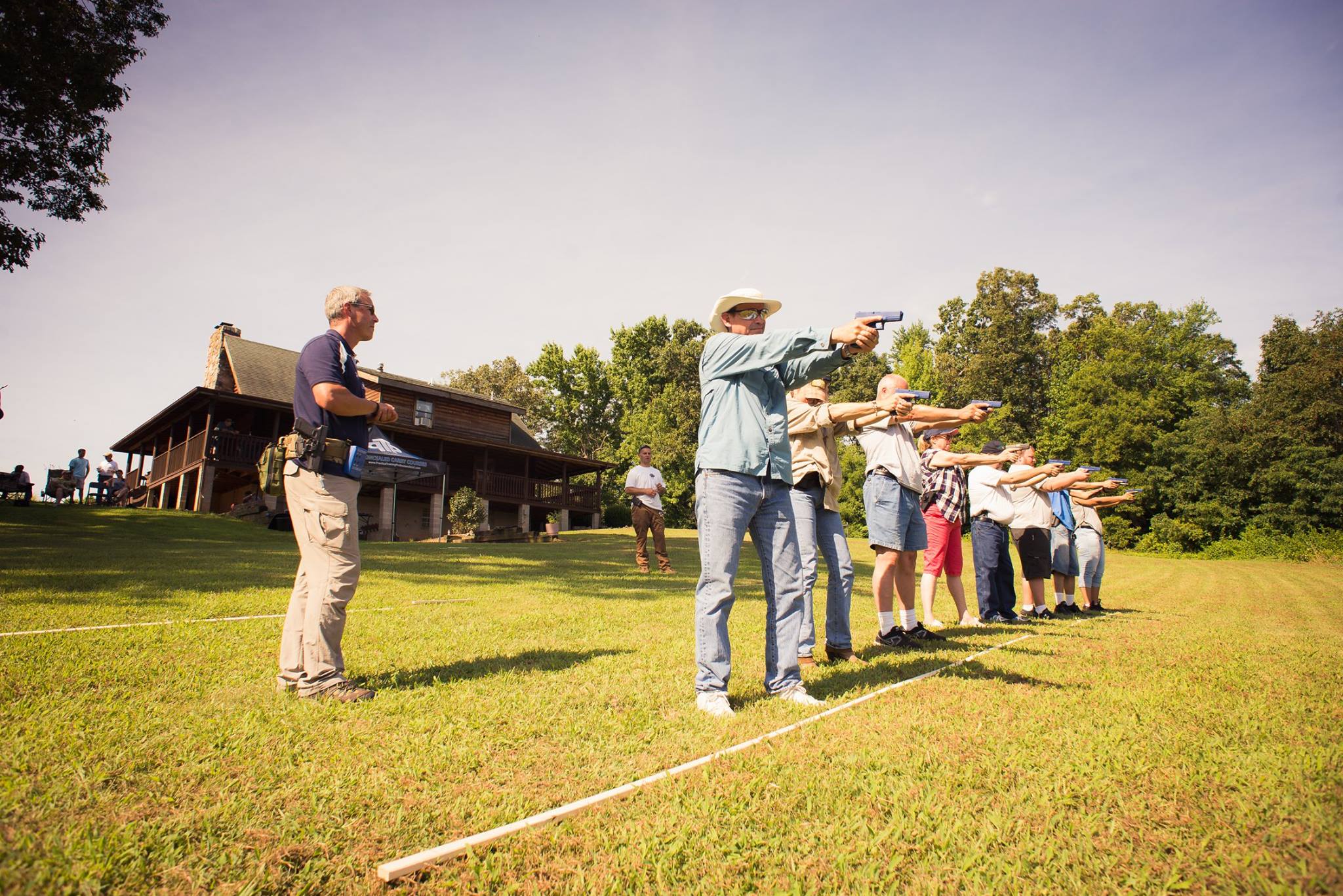
Maryland requires applicants to complete a Handgun Wear and Carry Permit Training Course approved by the Maryland State Police (MSP). This step is non-negotiable. I enrolled in a certified MSP Firearms Training program, which included:
- 16 hours of classroom instruction for original applicants
- Firearms safety and handling
- Maryland firearms laws and use-of-force guidelines
- Live-fire component with a minimum qualifying score
If you’re renewing, the training is only 8 hours, but for a first-time applicant like me, I had to commit to the full course.
One tip: make sure the training provider is listed on the MSP website. I made the mistake of almost signing up with an unapproved instructor. Doing so would have wasted my time and money. Go official from the start.
Step 3: Gather Required Documentation
When my training was completed, I had to collect a list of documents for my application. Here’s what I needed:
- Certificate of completion from my MSP Firearms Training course
- Color passport-style photo
- Fingerprints (done through an approved Maryland LiveScan provider)
- Government-issued photo ID
- Proof of residency (like a utility bill if your ID doesn’t reflect current address)
- A written statement explaining my “good and substantial reason” to carry
The last item was the trickiest. I needed to justify why I needed to carry a concealed handgun in my daily life. For me, it was related to my job and frequent travel through high-risk areas. Be honest, specific, and clear in your justification—it makes a big difference.
Step 4: Submit the Online Application
Maryland handles all permit applications through their Licensing Portal on the Maryland State Police website. I created an account and followed the guided steps to upload documents, input personal information, and pay the required fee.
As of now, the application fee is $75 for a new permit. I paid using a credit card during the online process. After submission, I received a confirmation email and a tracking number to monitor my application status.
Step 5: Background Check and Investigation
Once my application was submitted, MSP began a thorough background check. This step can take several weeks to a couple of months, depending on the volume of applications. During this time, they reviewed:
- Criminal history
- Mental health status
- Employment verification (if relevant)
- Any references listed in the application
I was contacted once for additional clarification on my reason to carry. Make sure your contact information is accurate and that you’re responsive—delays in communication can stall your application.
Step 6: Interview (If Required)
Not every applicant is called for an interview, but I was. My interview was straightforward but serious. They asked questions about my daily routines, why I wanted to carry, and how I planned to secure my weapon.
If you are called for an interview, treat it with the same respect you would a job interview. Be on time, be honest, and be professional. Show that you’ve thought this through and are prepared to be a responsible permit holder.
Step 7: Wait for Approval or Denial
After the interview, it was a waiting game. In my case, I received approval in about six weeks. I was notified by email and soon after received my physical Concealed Weapons Permit in Maryland by mail.
If you’re denied, MSP will issue a written explanation. You can appeal the decision through the Handgun Permit Review Board, although that board’s future is uncertain due to recent legislation. Legal support is highly recommended for appeals.
Step 8: Carry Responsibly
Getting the permit isn’t the end of the journey—it’s the beginning of a new responsibility. I carry with mindfulness and follow all laws related to:
- Restricted areas (schools, federal buildings, public transportation)
- Safe storage in vehicles and homes
- Interactions with law enforcement (always disclose if you’re carrying)
Even with a Concealed Weapons Permit in Maryland, the law doesn’t give blanket permission to carry anywhere. I keep up with MSP updates and recommend signing up for a local firearms law newsletter.
Final Thoughts and Tips
Going through the process taught me a lot about Maryland’s expectations. If you’re planning to apply, here’s what I recommend:
- Start with research – Read the MSP guidelines thoroughly.
- Choose the right trainer – Look for instructors with great reviews and certified MSP status.
- Prepare your justification carefully – Be real, but be detailed.
- Stay organized – Have digital and physical copies of everything.
- Practice regularly – The training shouldn’t be your last time on the range.
If you’re ready to start your journey, don’t hesitate to reach out to a local training center for your MSP Firearms Training. And if you have questions or want guidance through your own process, feel free to contact us. I know how helpful a little support can be when navigating Maryland’s firearm laws.
Getting your Concealed Weapons Permit in Maryland isn’t quick or easy—but it’s possible. And once you’re approved, it’s a responsibility you should carry with pride and caution.