

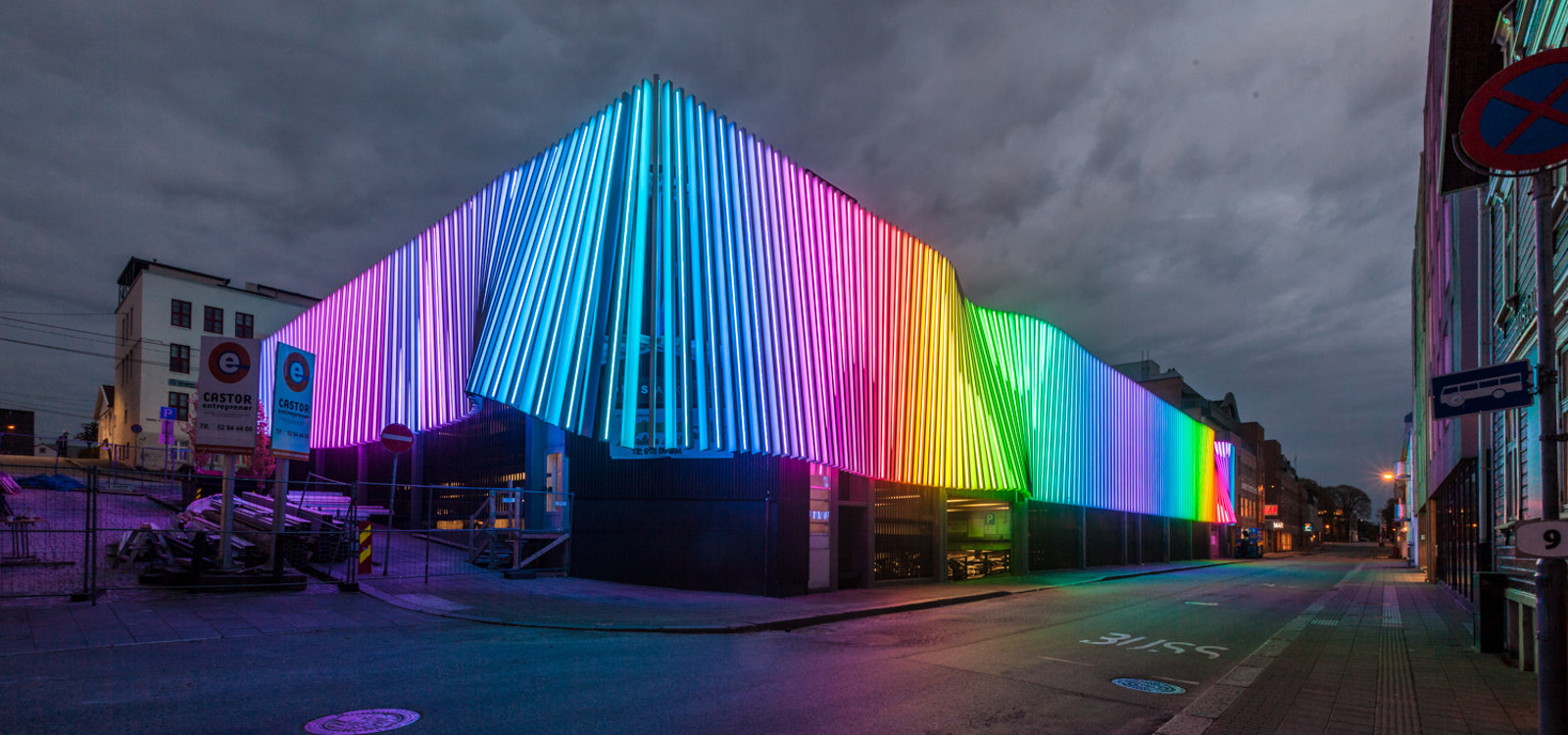
LED facade lighting is a modern and energy-efficient lighting solution that has revolutionized the way buildings are illuminated, enhancing their aesthetic appeal and sustainability. This innovative technology utilizes Light Emitting Diodes (LEDs) to illuminate building facades with precision, flexibility, and a wide range of colors, making it a popular choice for architectural lighting.
Key Features of LED Facade Lighting:
- Energy Efficiency: LED facade lighting is highly energy-efficient compared to traditional lighting options such as incandescent or fluorescent lights. LEDs consume significantly less electricity, resulting in lower operational costs and reduced carbon footprint. They are eco-friendly and contribute to sustainable building practices.
- Longevity: LEDs have an impressive lifespan, often lasting up to 25,000 to 50,000 hours or more. This longevity reduces maintenance costs, making LED facade lighting a cost-effective choice in the long run.
- Versatility: LED fixtures come in various shapes, sizes, and colors, offering architects and designers greater flexibility in creating custom lighting designs. LEDs can be individually controlled, allowing for dynamic and programmable lighting effects.
- Color Options: LED facade lighting can produce a wide spectrum of colors, offering architects the ability to create visually stunning and dynamic lighting displays. RGB (Red, Green, Blue) LEDs are commonly used for color-changing effects, enabling buildings to adapt their appearance for special occasions or to convey different moods.
- Precise Beam Control: LEDs can be equipped with optics that allow for precise beam control, enabling designers to direct light precisely where it’s needed, highlighting architectural features or creating dramatic shadows and effects.
- Low Heat Emission: LEDs generate minimal heat compared to traditional lighting sources. This not only reduces the risk of damage to the building’s facade but also contributes to energy savings by reducing the need for additional cooling systems.
- Instant On/Off: LEDs provide instant illumination without warm-up time, ensuring that the building’s facade can be lit and adjusted quickly as needed.
- Dimmability: LED facade lighting can be easily dimmed to adapt to changing lighting requirements and create different atmospheres.
Applications of LED Facade Lighting:
LED facade lighting finds applications in various architectural settings, including commercial and residential buildings, museums, bridges, and landmarks. It can be used to accentuate architectural details, create stunning visual displays, and transform the appearance of buildings during different times of the day or for special events. LED facade lighting also plays a crucial role in enhancing the nighttime aesthetics of urban landscapes, contributing to vibrant cityscapes.
In summary, LED facade lighting is a versatile and sustainable lighting solution that has redefined architectural illumination. Its energy efficiency, longevity, color options, and flexibility make it a favored choice for designers and architects seeking to enhance the visual impact and energy performance of buildings. As technology continues to advance, LED facade lighting will likely play an increasingly prominent role in the field of architectural lighting design.


