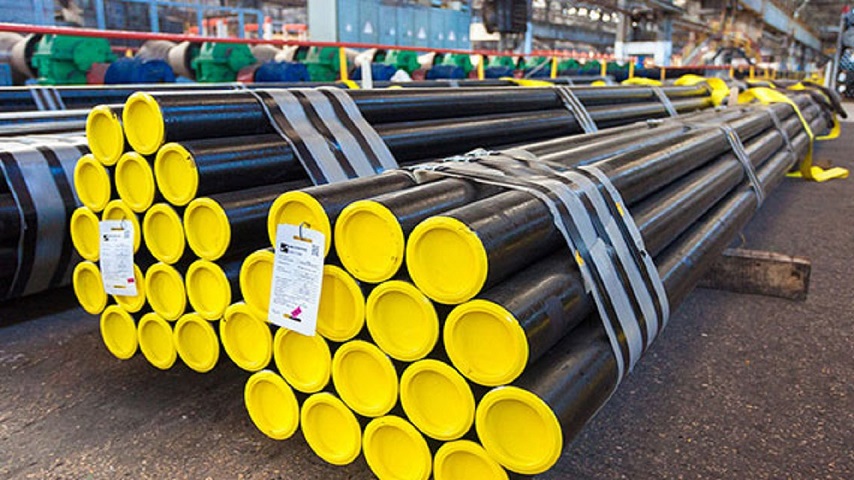
The newfound love for sustainable energy has made nuclear power plants more significant than ever. Several nuclear power stations have been developed on the banks of rivers and seas for environmental benefits. High-quality seamless tubes and pipe materials resistant to corrosion from saltwater and other corrosive chemicals are necessary for nuclear power plants. When manufactured to predefined standards, seamless steel materials are more durable, long-lasting, and withstand heavy-duty applications. The need for avant-garde tubing material in a reactor environment is very crucial.
The typical reactor:
In any typical nuclear power reactor, stainless steel is the most common material you will witness. Most of the facilities use pipes and tubes made out of austenitic stainless steel. Hence, most of these facilities contact seamless tubes and pipe manufacturers to supply them with seamless piping solutions. Seamless pipes are durable, strong, corrosion-resistant, and can withstand pressures. Hence, these pipes become an integral part of the general components of a nuclear power reactor. Let us quickly check out the components of nuclear power plants:
- Pressure tubes: Pressure tubes contain coolants and fuels necessary in a nuclear plant. Depending on the capacity of the plant, the authority can choose smaller or bigger vessels that require pressure tubes as per the size of the vessels.
- Rods: Nuclear power plants have control rods installed inside the nuclear reactors. The purpose of installing the rods is to control the nuclear reaction inside the reactor. Since the rods are exposed to extreme heat and pressure, it is crucial to choose seamless pipes to serve the purpose.
- Fuel and coolant: It is quite evident that a nuclear power plant will have fuels running around. Also, the power plant authority must ensure that the heat never exceeds its limit. Hence, they use coolant to keep the core of the plant to maintain heat. The pipes and tubes they use are primarily seamless because of the safety they provide.
- Steam generators: It is evident that nuclear power plants will generate immense heat. They also need to generate steam to run the turbines. Hence, the authority uses seamless boiler tubes and pipes to generate and transport steam.
- Containment vessels: Apart from stainless steel seamless tubes, stainless steel vessels are also integral in a nuclear power system. The authority uses stainless steel to contain the reactor vessel so that no radiation or heat can escape the reactor and the staff stays safe while working.
- Moderators: Moderators are used at the core of the reactor to slow down the number of neutrons that fission produces. Hence, the moderators must be strong enough to withstand extreme pressure and heat. Stainless steel is an ideal metal for moderators.
How seamless tubes and pipes ensure safety and durability:
Today, nuclear power stations encounter a number of challenges. The general public considers it an unstable and dangerous process due to the horrific destruction it caused in the past. However, nuclear power station operators have implemented new safety measures and environment-protection initiatives to boost performance and reduce nuclear waste and chances of leakage. Using excellent quality construction materials – from seamless pipes to fuel rods – you can ensure the safe operation of turbines for power generation at high temperatures and pressure.
There are various kinds of seamless steel tubes characterized by crystalline structures. For instance, to stabilize the austenite structure, nickel is added. This makes steel less brittle and non-magnetic at low temperatures. Besides, the way a pipe is placed underground can also protect from certain disasters like tornado missile strikes. For added safety, seamless tube manufacturers pay special attention to details and requirements for nuclear stations.
Efficient functioning:
Stainless steel pipes and tubes offer safety, durability, and efficient functioning. Hence, stainless steel is essential in every aspect of nuclear power plants. Nuclear power plants use high-quality seamless tubes, pipes, and stainless steel body parts for different machines. For example, pressure tubes, boiler pipes, rotavators, etc., are different parts of a nuclear power plant that must work efficiently.
If there is a specific part of a nuclear power plant, it is the containment vessel. The vessel must be strong enough to contain the energy and heat produced by nuclear power generation. Hence, the authority must use high-grade stainless steel for these parts.
Corrosion-resistant material for improved safety and longevity:
As mentioned above, people often consider nuclear power plants to be unsafe because of the disastrous situations they have witnessed. However, nuclear plants have incredibly safe environments.
In addition, nuclear power generation is soring, making it the only significant, carbon-free electricity source that the nation can extensively expand to produce significant amounts of electricity. While we are running out of fossil fuels to produce the same amount of electricity, nuclear power plants avoid producing a sizable amount of emissions without stripping fossil fuels from below the earth.
There will always be requirements for seamless tubes and pipe manufacturers who produce high-quality stainless steel products.
If safety is one reason behind using seamless steel pipes, another reason is the corrosion resistance of the metal. The nuclear power reactor works in high temperature and pressure situations. Besides, the process involves using harmful corrosive chemicals that can cause severe decay. Hence, they need to use naturally corrosion-resistant products. For example, most parts in a nuclear reactor are made of stainless steel. Therefore, the need for corrosion-resistant stainless steel pipes will grow as the nuclear industry grows.
Advantages of using stainless steel pipes:
Although you may already have an idea about how advantageous using stainless steel is, let us take a look at the advantages of using stainless steel seamless pipes.
- Seamless steel pipes can withstand more pressure than welded pipes
- The defecation process of stainless steel is simple
- Stainless steel pipes are widely available
- Stainless steel pipes offer extreme durability, robustness, and corrosion-resistance
- Stainless steel pipes can also withstand impacts without losing their shape and efficacy.
Uses of using stainless steel pipes:
We already have an idea that nuclear power plants use stainless steel in various parts or components. Here is a list of objects where you will witness the use of stainless steel:
- Reactors
- Chimneys
- Steam generators
- Fission storage
- Tanks
- Containment vessels,
- Boiler pipes (through which steam passes)
- Moderator pipes (through which coolant or moderator passes)
Conclusion:
Austenitic steel seamless tubes and pipes perform well when corrosion is constant in hot conditions, such as in a nuclear power plant. Even though the reactors contain ferritic and austenitic steel, the latter can withstand higher temperatures than ferritic steel. Hence, most manufacturers use austenitic stainless steel to produce seamless pipes and tubes.
The ongoing neutron shower can compromise the quality of the pipes if the pipe fabricators do not use austenitic steel. The steel pipe manufacturing sector will be crucial to the future of sustainable energy as the world needs safer, more sustainable energy sources. Stronger steam generators, tube sheets, pump castings, and corrosion-resistant pressure vessels are a few examples of applications of stainless steel pipes. The nuclear industry depends on each of these parts. The future of nuclear energy appears promising thanks to the experience of international steel suppliers like Global Seamless Tubes & Pipes Pvt Ltd.