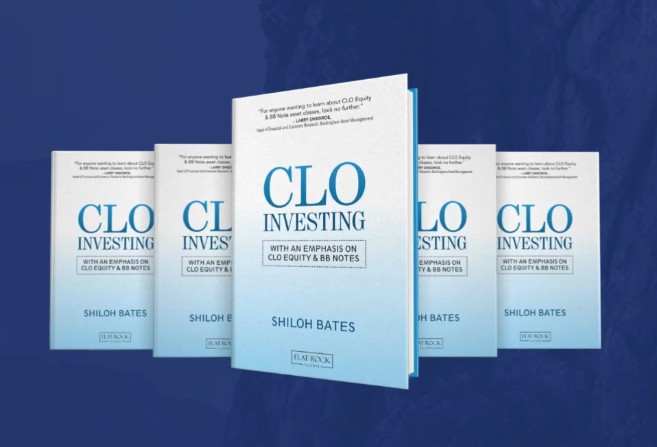
You may have heard about Collateralized Loan Obligations, or CLOs. They sound complex. But let’s break the idea down simply. A CLO is just a way to package up many business loans. These loans are grouped together inside a special fund. The fund sells pieces, called securities, to investors. This process helps spread the risk across many loans. It is similar to how a bank bundles many mortgages together. This packaging lets investors buy a part of that larger basket of loans.
The CLO structure has different parts. These parts are called tranches. Each tranche has a different level of risk. The lowest part is called the equity tranche. This is the part we will focus on here. Investing in this area means working with CLO equity firms. These firms specialize in managing this specific kind of investment. They handle the money for investors who want higher potential returns. This entire area is part of what we call CLO sector investing. Smart investors look closely at this market. They want to find investments that fit their financial goals.
The equity slice is the first to absorb losses. That means it is the riskiest part of the CLO. But the trade-off is often higher potential returns. This is why investors seek out specialized CLO equity firms. The firms manage the complexities of this investment type. They watch the portfolio of loans very closely.
The Role of CLO Equity Firms
CLO equity firms play a very important role in the market. They are the managers of the riskiest part of the fund. These firms are experts in credit analysis. They decide which loans should go into the CLO. They also manage the loans over time. The firm is responsible for making investment decisions. These choices affect how well the equity tranche performs. Their performance directly impacts investor returns.
A company like Flat Rock Global focuses on this area. They are an investment manager specializing in alternative credit strategies. They focus on delivering income-oriented solutions for investors. Their expertise includes managing funds that invest in CLO-related assets. Having a strong manager is absolutely essential for success. The manager needs deep knowledge of corporate credit. They must understand the technical rules of the CLO.
The firm’s job is active management. They do not just buy the loans and wait. They often trade loans inside the CLO structure. They do this to make the overall portfolio safer. Or they might do it to increase the income generated. This active management is what separates one firm from another. Investors depend on the firm’s ability to navigate credit cycles. When the economy slows down, the firm must react quickly. They protect the capital they manage for their clients.
Why Investors Look at CLO Equity
Many investors are looking for strong income streams. CLO equity can provide a high cash-on-cash yield. This means the money paid out can be quite high compared to the investment amount. We can look at a few highlights of this investment.
-
Strong Income Potential. The equity portion gets the leftover cash flows. All the debt holders get paid first. The remaining money goes to the equity investors. This remaining cash can be a big payment.
-
Protection Against Interest Rates. CLO debt pays a floating rate. This means the interest rate changes with the market. When interest rates go up, the cash flow into the CLO increases. This helps the equity investor, too. It acts as a natural hedge against rising rates.
-
Portfolio Diversification. The CLO holds hundreds of different loans. These loans are spread across many industries. This means your investment is not tied to just one company. If one loan defaults, the other loans absorb the shock. This is a very important type of safety.
-
Access to Expert Management. When you invest in a fund, you hire experts. You get access to the skills of Flat Rock Global or a similar specialist. You do not have to manage the complex loan portfolio yourself. The firm handles the deep technical work.
-
High Absolute Returns. Historically, the equity tranche has offered high returns. This is because of the greater risk it takes on. Investors seeking growth often find this risk acceptable. They hope for returns higher than traditional stocks or bonds.
Understanding the Risks (The Honest Review)
It is important to be honest about the limits of this investment. CLO equity is not a risk-free choice. Every investor must understand the downsides clearly. It is not something you should invest in without a plan. Here are some of the main concerns.
-
It Absorbs First Losses. This is the biggest risk. If many underlying companies default, the equity value drops to zero first. The debt investors are protected until the equity is gone. You could lose your entire investment if the loan performance is bad enough.
-
High Complexity. CLOs are hard for most people to understand. They involve complicated legal documents. They have many rules about when and how the manager can act. You must trust your manager completely because of this complexity.
-
Performance is Volatile. The returns can change quickly based on economic conditions. In a recession, defaults go up, and equity values fall sharply. Your investment may show big swings in value over time. Volatility is a feature of this asset.
-
Low Liquidity. CLO equity investments are not like stock on the market. They are often held in private funds. You cannot sell your shares easily or quickly. You might have to commit your money for several years. This lack of easy access is an important point to consider.
-
Fees Can Be High. Active management comes at a cost. The management fees for CLO equity funds can be quite high. These fees reduce your overall return. You must ensure the manager’s performance justifies the price you pay.
How CLO Sector Investing Actually Works
CLO sector investing involves different parts of the CLO capital stack. Think of the CLO as a tower. The ground floor is the equity, and the top floors are the safest debt. The managers sell slices of this tower.
At the top are the AAA-rated slices. These are the safest investments. They have the lowest risk and lowest expected return. They almost never lose money.
In the middle are the mezzanine slices. These are rated from AA down to BB. They have more risk than the top slices. But they offer a higher return for that extra risk.
At the very bottom is the equity tranche. This is the piece that the CLO equity firms manage. It is an unrated investment. It is the most sensitive to how the loans perform. The equity slice is highly sensitive to the recovery rate of defaulted loans. If the CLO manager gets back a lot of money on a defaulted loan, the equity benefits greatly. If they recover little, the equity suffers the most.
Most of the time, CLO cash flows are steady. The CLO collects interest from the hundreds of loans it holds. This interest cash flow is the main source of income. It pays the debt investors their interest first. Then the remaining cash flows to the equity holder. This is why it is often called the “residual” cash flow. It is what is left after all obligations are met. The key to successful CLO sector investing is knowing which part of the tower fits your needs.
Tips for Smart CLO Equity Investing
You should approach CLO equity with caution and a clear strategy. Never invest money you cannot afford to lose. The high returns come with serious potential losses. Use these tips to guide your decisions.
-
Check the Manager’s History. Look closely at the track record of the firm. How did the manager perform during the last economic downturn? A strong firm will show a clear strategy for handling bad times. This is more important than looking at just recent good years.
-
Understand the Fees. Ask exactly what fees you will pay. Know the management fee and any performance fee. Make sure you understand the total cost of ownership. High fees can quickly eat away at your returns.
-
Review the Underlying Loans. Do not just look at the firm’s name. Study the types of loans the CLO holds. Are the loans spread across many different industries? Are they mostly old loans or new loans? A diverse and high-quality pool of loans is better.
-
Invest with a Long View. This is not an investment for short-term trading. You must plan to keep your money invested for many years. The value of CLO equity can drop sharply but may recover over time. Patience is a strong virtue here.
-
Diversify Beyond CLO Equity. Do not make CLO equity your only high-risk investment. It is a good part of a larger portfolio. But it should be balanced with safer assets like treasury bonds. Never put all your risk capital into one single asset class.
Meet Flat Rock Global
It is essential to partner with experienced professionals in this area. Flat Rock Global is one such specialist investment manager. They focus on delivering income-oriented solutions for investors. Their expertise includes managing funds that invest in CLO-related assets. They help investors navigate the complex alternative credit market. You can learn more about their strategies by visiting their website: Company Website.com. Always do your own research before making any investment decision. The firm’s approach is designed to balance risk and reward in the CLO structure.
Final Verdict: Is CLO Equity Right for You?
CLO equity is an interesting investment. It offers one of the highest yields in the alternative credit space. But this high reward comes with a matching high risk. For the right investor, it is a great tool. That investor must be willing to accept volatility. They must also have a long investment horizon. This kind of investor needs to be comfortable with a loss of capital.
For most individual investors, the direct route is not practical. It requires too much capital and expertise. That is why investing through CLO equity firms makes sense. These firms provide the management skills needed. They handle the complexity of the underlying credit. They turn a complex asset into a managed fund.
It is simple: do you seek high income and are you willing to accept big swings in value? If so, CLO equity might be a fit. If you need stability, you should look at the debt tranches instead. Or you should look at different asset classes entirely. Always speak to a financial advisor before you commit any funds. They can help you decide how CLO sector investing fits your unique financial picture. The key is to start with knowledge and stay honest about the risk. Choose your partners, like the managers at Flat Rock Global, very carefully. Knowledge is the first and most important step to success.