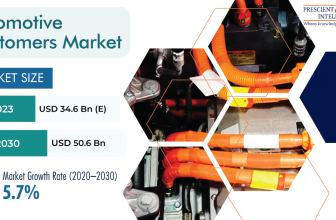
The automotive industry is continuously evolving, driven by technological advancements, changing consumer preferences, and stringent regulations. Within this dynamic landscape, automotive elastomers play a crucial role in ensuring the performance, safety, and comfort of vehicles. In this article, we delve into the automotive elastomers market, examining key trends, growth drivers, and future prospects.
Understanding Automotive Elastomers
Definition and Properties
Automotive elastomers are rubber-like materials characterized by their ability to deform under stress and return to their original shape when the stress is removed. These materials exhibit excellent elasticity, resilience, and durability, making them ideal for various automotive applications.
Types of Elastomers
There are several types of elastomers used in the automotive industry, including natural rubber, synthetic rubber (such as styrene-butadiene rubber, butyl rubber, and ethylene-propylene rubber), thermoplastic elastomers, and elastomeric alloys. Each type offers specific properties suited to different automotive components and functions.
Key Applications of Automotive Elastomers
Tires and Tread Components
Tires represent the largest application segment for automotive elastomers. Elastomers are used in tire sidewalls, treads, and inner liners to provide traction, grip, and shock absorption, enhancing vehicle performance and safety.
Seals and Gaskets
Elastomers are widely used in automotive seals and gaskets to prevent fluid leaks and ensure the integrity of various vehicle systems, including engines, transmissions, and cooling systems. These components require materials with excellent sealing properties and resistance to heat, pressure, and chemical exposure.
Suspension and NVH (Noise, Vibration, and Harshness) Control
Elastomeric components such as bushings, mounts, and isolators are essential for controlling noise, vibration, and harshness in vehicles. These components dampen vibrations, reduce noise transmission, and improve ride comfort for passengers.
Market Trends and Growth Drivers
Increasing Demand for Lightweight and Fuel-Efficient Vehicles
The automotive industry is witnessing a shift towards lightweight materials and fuel-efficient vehicles to meet environmental regulations and consumer preferences. Automotive elastomers play a crucial role in this trend, as they offer lightweight solutions for various components, contributing to improved fuel efficiency and reduced emissions.
Advancements in Material Technology
Advancements in material science and engineering are driving innovation in automotive elastomers, leading to the development of high-performance materials with enhanced properties. New formulations, additives, and processing techniques enable elastomer manufacturers to meet the evolving demands of the automotive industry, such as improved durability, weather resistance, and recyclability.
Future Outlook and Growth Prospects
Emphasis on Sustainability and Environmental Compliance
As sustainability becomes increasingly important in the automotive industry, there is a growing focus on environmentally friendly elastomer materials and manufacturing processes. Bio-based elastomers, recycled elastomers, and eco-friendly production methods are expected to gain traction, driven by regulatory mandates and consumer preferences for greener products.
Integration of Smart and Connected Technologies
The future of automotive elastomers lies in the integration of smart and connected technologies to enable real-time monitoring, predictive maintenance, and performance optimization. Smart elastomer formulations embedded with sensors and actuators can provide valuable data on component health, driving behavior, and environmental conditions, enabling proactive maintenance and enhancing vehicle safety and efficiency.
FAQs
- What are automotive elastomers? Automotive elastomers are rubber-like materials used in vehicles for their elasticity, resilience, and durability.
- What are the key applications of automotive elastomers? Automotive elastomers are used in tires, seals, gaskets, suspension components, and NVH control systems.
- What are the market trends driving the automotive elastomers market? Increasing demand for lightweight and fuel-efficient vehicles, advancements in material technology, and emphasis on sustainability are key market trends.
- What is the future outlook for the automotive elastomers market? The market is expected to witness growth driven by sustainability initiatives, technological advancements, and the integration of smart technologies.
- How do automotive elastomers contribute to vehicle performance and safety? Automotive elastomers improve vehicle performance and safety by providing traction, sealing against leaks, dampening vibrations, and enhancing ride comfort for passengers.