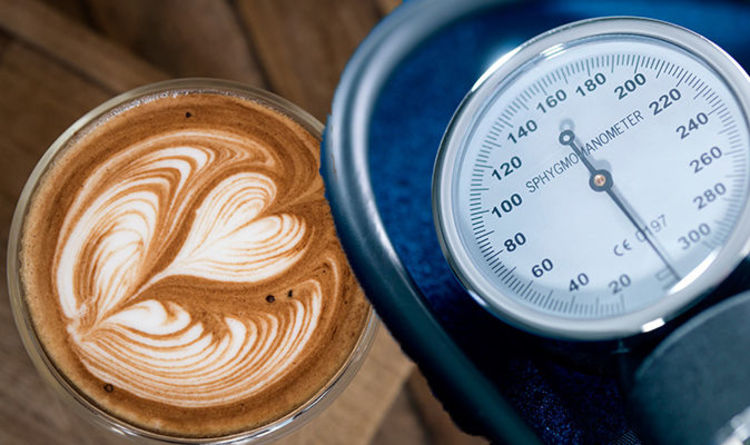
Whether or not drinking caffeinated coffee affects blood pressure is not a topic that gets consensus on Internet research, nor are many studies reported. Due to a recent personal experience, this writer feels compelled to share some information.
The ophthalmologist’s technician did a routine blood pressure check in an eye exam. Breakfast that morning was sipping from a water bottle filled with half coffee and half nut milk and ice cubes during the half hour drive to the doctor’s office and the hour wait since office appointments were running late. A week previously at the same office for checking a contact, my diastolic blood pressure had been 120. On this visit after the coffee drinking it was 145. That is considered a hypertension number and I was surprised, having had perfect blood pressure readings all my life. At that moment I decided to severely limit coffee and all caffeine drinking for the remainder of my years. (I will try straight nut milk next visit for a control test.)
After researching the Internet for scientific findings about the effects of drinking caffeinated coffee on blood pressure, here is what was found.
The U.S. National Library of Medicine National Institutes of Health October 2011 concluded “In hypertensive individuals, caffeine intake produces an acute increase in BP for ≥3 h.” It does add that there is not current evidence associating longer-term coffee drinking with increased blood pressure nor habitual coffee drinking and higher cardiovascular disease (CVD) risk in hypertensive subjects.
The Hyper AHA Journels pulled studies on 11 trials of a total of 522 participants. Their abstract findings were that over a median duration of 56 days and dose of 5 cups of coffee a day, average systolic blood pressure increased by 2.4 and diastolic by 1.2. These numbers may sound small but can result in increased death risk from cardiovascular disease of 14 percent and 20 percent more strokes, according to the Lower Blood Pressure Drug Free Channel video. Linear regression analysis identified a relationship between coffee consumption and higher blood pressure, regardless of age and with the effect being greater on younger participants.
Dr. Sheldon G. Sheps, M.D. on the Mayo Clinic website says “Caffeine can cause a short, but dramatic increase in your blood pressure, even if you don’t have high blood pressure. It’s unclear what causes this spike in blood pressure.” He suggests the possibilities are that caffeine blocks an artery widening hormone or that caffeine causes more adrenaline to be released by the adrenal glands. Some people have higher average blood pressure as they drink caffeinated beverages than people who do not drink any, while others seem to become caffeine tolerant with little long-term blood pressure effect. He adds that caffeine does seem to effect those who are overweight or over 70 years of age.
To test caffeine effects on your body, take your blood pressure, then drink a beverage containing caffeine, and check your blood pressure again in 30 minutes and 60 minutes. If the pressure rises by five or ten points, your body may be caffeine sensitive. Limit your caffeine intake to 200 milligrams (mg) or two 12-ounce cups of coffee, cutting back gradually to avoid headaches. A Starbucks’ 16 ounce grande has about 330 mg of caffeine. Do not drink caffeine drinks before exercising, working out, or physical work that would naturally raise your pressure.
Dr. Rob van Dam, Assistant Professor in the Department of Nutrition, Harvard School of Public Health says that people not used to caffeine will initially have their blood pressure increase substantially at first, but the increase is smaller after one week. “A little bit of increase in blood pressure remains” after several weeks. He says in the general population, “drinking caffeinated coffee is not associated with a substantial increase in risk,” but suggests that people should switch to decaffeinated if they are having problems with blood pressure. Watch the attached video for how widely the amount of caffeine varies in different coffees, with Death Wish Coffee topping the list.
Source: ED Treatment India