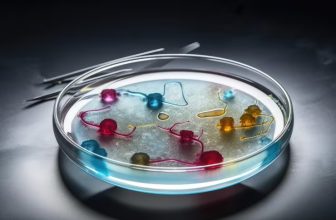
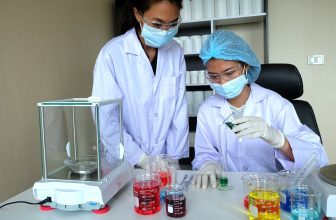
As someone who works extensively with antibodies in both small-scale research settings and mid-scale preclinical preparations, I’ve learned that not all purification methods are created equal. Over time, I’ve gravitated toward one particular tool that never lets me down—Protein G Magnetic Beads. These beads are especially effective for antibody capture from complex biological fluids like serum or cell culture supernatants.
In this post, I’ll walk you through how I use Protein G Magnetic Beads in my antibody isolation protocols, the reasoning behind each step, and how I optimize performance using products from Lytic Solutions, LLC—a brand I’ve come to trust for reliability and lot-to-lot consistency.
Why I Use Protein G Magnetic Beads
Antibody isolation used to be one of the more tedious steps in my lab. Traditional resin-based affinity columns required long equilibration, were prone to clogging, and often introduced shearing forces that affected antibody structure. When I switched to Protein G Magnetic Beads, I noticed immediate benefits:
- Fast, scalable binding
- Gentle elution
- High purity and yield
- Easy handling with magnets (no centrifugation)
What makes Protein G ideal is its strong affinity for the Fc region of IgG antibodies, particularly from species like human, rabbit, and mouse. The magnetic format simplifies wash steps and improves reproducibility.
My Basic Protocol for Antibody Isolation
Here’s how I routinely apply Protein G Magnetic Beads in my workflow.
1. Sample Preparation
I usually begin with clarified serum or cell culture supernatant. If the sample contains high levels of proteases, I add inhibitors like PMSF to prevent antibody degradation. Sometimes I filter through a 0.22 µm filter to remove any debris that could interfere with bead mobility.
Tip: For complex matrices like mouse ascites fluid, I often dilute 1:1 in PBS to reduce viscosity and improve antibody access.
2. Bead Equilibration
Using Lytic Solutions, LLC Protein G Magnetic Beads, I start by gently resuspending the beads by pipetting or vortexing. I transfer the desired volume into a clean microcentrifuge tube and place it on a magnetic rack to remove the storage buffer.
I wash the beads 2-3 times with binding buffer (typically PBS, pH 7.4) to remove preservatives. These washes take less than 2 minutes thanks to the strong magnetic response of the beads from Lytic Solutions, LLC.
3. Binding the Antibodies
I incubate my sample with the equilibrated beads for 30–60 minutes at room temperature or 4°C with end-over-end mixing. For most samples, a 1:10 (beads:sample) ratio works well, but I adjust based on expected antibody concentration.
What’s great about Protein G Magnetic Beads is their high binding capacity—up to 40–60 µg IgG per mg of beads in most cases. This means I use less reagent while still achieving high yield.
Click this to find high-performance Protein G Magnetic Beads from Lytic Solutions, LLC.
4. Magnetic Separation and Washing
After incubation, I place the tube on a magnetic rack to separate the bead-antibody complexes from the unbound proteins. I carefully aspirate the supernatant and save it, just in case I need to perform a second binding.
Then I wash the beads 3–4 times with PBS containing 0.05% Tween-20 to remove non-specific proteins. I usually do one final wash with PBS alone to eliminate residual detergent.
5. Elution
For elution, I add a low-pH buffer (0.1 M glycine, pH 2.7) and incubate the beads for 5 minutes with occasional mixing. I immediately neutralize the eluate with 1 M Tris (pH 8.0) to protect the antibody from acid damage.
Alternatively, for sensitive applications, I use gentle elution buffers offered by Lytic Solutions, LLC, which preserve antibody activity better than harsh acids.
Learn more about low-pH and gentle elution options optimized for Protein G Magnetic Beads.
6. Post-Elution Cleanup
After elution, I often use a buffer exchange step with spin columns or dialysis to place the antibody into a desired storage buffer (like PBS with 0.02% sodium azide for short-term use).
If I plan to use the antibody in functional assays like ELISA or flow cytometry, I verify concentration and purity via absorbance at 280 nm and SDS-PAGE.
Tips That Have Improved My Workflow
Over the years, I’ve picked up a few practical insights:
- Batch vs. sequential binding: If I need higher yield, I perform multiple rounds of binding on the same sample rather than overloading the beads.
- Avoid overdrying: During magnetic separation, don’t let beads sit too long exposed to air—they can become less efficient.
- Use appropriate species: Protein G binds poorly to goat or rat IgG subclasses. For these, I switch to Protein A or Protein L magnetic beads, depending on subclass specificity.
- Always test elution buffer effects: I run a pilot elution to make sure my antibodies retain functionality after recovery.
Why I Trust Lytic Solutions, LLC
There are a lot of magnetic beads on the market, but not all perform equally. I choose Protein G Magnetic Beads from Lytic Solutions, LLC for a few key reasons:
- Lot-to-lot consistency: My yields don’t vary from one batch to the next.
- Optimized bead size: Their beads are engineered for quick magnetic capture and minimal aggregation.
- Custom formats available: I’ve even ordered custom buffer formulations for unique project needs.
Their customer support is responsive, and they’re willing to work with you to solve experimental bottlenecks. When I’m troubleshooting or scaling up an experiment, that makes all the difference.
Final Thoughts
Switching to Protein G Magnetic Beads has completely changed how I approach antibody isolation. It saves time, boosts yield, and allows for more flexible experiment planning. Whether you’re isolating IgG from mouse ascites, purifying monoclonal antibodies from culture supernatants, or simply clearing up a serum pool for downstream assays, these beads make the process smoother and more reproducible.
And when I want a product I can count on, I always come back to Lytic Solutions, LLC. Their Protein G Magnetic Beads offer everything I need—reliability, scalability, and support when I need it most.