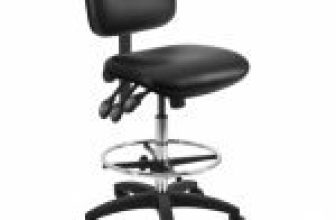
Cleanroom seating is more than a place to sit. In controlled environments, the right chair can support contamination control, operator comfort, workplace safety, and efficient workflow. Whether you work in pharmaceutical manufacturing, biotechnology, electronics, semiconductor production, medical-device manufacturing, or laboratory research, your seating choice should match the demands of your environment.
When you select cleanroom seating, you need to consider more than appearance and price. Materials, cleanability, particle generation, ergonomic support, adjustability, mobility, and compatibility with your cleanroom classification all influence whether a chair is suitable for daily use.
This guide explains what to look for, where cleanroom seating is commonly used, and how you can select an option that supports both personnel and process requirements.
What Is Cleanroom Seating?
Cleanroom seating is specially designed for controlled environments where airborne particles, contamination, static electricity, and hygiene must be managed. Unlike conventional office chairs, cleanroom-compatible chairs are built with materials and construction methods intended to reduce particle generation and simplify cleaning.
Depending on your application, you may need seating with sealed surfaces, non-shedding materials, conductive or static-dissipative properties, smooth finishes, and easy-to-clean components.
You should always match the chair’s specifications to your facility’s requirements rather than assuming that any laboratory or industrial chair is appropriate for a cleanroom.
Why Cleanroom Seating Matters
Your seating can influence both employee comfort and the cleanliness of your workspace. Operators may spend several hours performing repetitive or precision-based tasks while seated. An unsuitable chair can contribute to discomfort, poor posture, unnecessary movement, and reduced productivity.
A properly selected cleanroom chair can help you:
- Maintain a cleaner controlled environment
- Reduce surfaces where contaminants can accumulate
- Support comfortable working positions
- Improve operator efficiency
- Simplify routine cleaning
- Meet application-specific hygiene requirements
- Reduce the need for frequent seating replacement
The goal is to balance contamination control with ergonomics. A chair that is extremely easy to clean but uncomfortable for extended use may not be the best choice for your workflow.
Key Design Features to Consider
1. Cleanable Construction
Start with the chair’s construction. You should look for smooth, durable surfaces that can withstand your established cleaning procedures.
Avoid unnecessary seams, exposed foam, deep crevices, and difficult-to-access areas where dust or residues can collect. A simplified design makes routine cleaning more practical.
Before purchasing, verify that the chair’s materials are compatible with the disinfectants, cleaning agents, and procedures used at your facility.
2. Appropriate Materials
Material selection affects durability, cleanliness, and chemical resistance. Cleanroom chairs may incorporate specialized polyurethane, vinyl, conductive materials, stainless steel, or other engineered components.
You should evaluate each material according to your actual application. If your workplace involves aggressive chemicals, for example, confirm chemical compatibility before making a purchase.
3. Static Control
Electrostatic discharge can be a serious concern in electronics and semiconductor environments. If your process is sensitive to static electricity, you may require ESD-compatible seating.
Look for specifications that clearly identify conductive or static-dissipative properties. You should also consider how the chair integrates with your facility’s overall ESD control program.
Do not rely solely on a manufacturer’s general statement that a chair is “ESD safe.” Review the relevant technical specifications and testing information for your application.
4. Ergonomic Adjustability
Cleanroom requirements should not come at the expense of operator comfort. You should consider seat height, back support, foot support, and adjustability based on the tasks performed.
If operators switch between equipment, benches, and workstations, an adjustable chair can help them maintain an appropriate working position.
Consider:
- Adjustable seat height
- Proper lumbar support
- Stable backrest design
- Suitable seat dimensions
- Foot rings for elevated seating
- Controlled movement where mobility is required
Choose adjustments that are useful without adding unnecessary components that could complicate cleaning.
Cleanroom Seating Applications
Cleanroom seating is used across many industries and processes. Your specific requirements will depend on the cleanliness level, work performed, personnel practices, and equipment layout.
Pharmaceutical Manufacturing
In pharmaceutical environments, seating may be used around production, inspection, packaging, sampling, and laboratory areas. Easy cleaning and hygienic construction are particularly important where contamination control is critical.
Biotechnology and Life Sciences
Biotechnology laboratories often involve extended periods of microscopy, sample preparation, analysis, and documentation. You should select seating that supports precise work while remaining compatible with cleaning and environmental requirements.
Semiconductor Manufacturing
Semiconductor facilities are highly sensitive to particles and electrostatic discharge. Seating used in these areas should be evaluated for low-particle construction and appropriate ESD performance.
Medical-Device Manufacturing
Medical-device production and inspection can require controlled workstations where operators perform repetitive or precision tasks. Proper seating can help support consistent positioning and comfortable operation during long shifts.
Laboratory Environments
Research and testing laboratories may use cleanroom-compatible seating at benches, instruments, inspection stations, and specialized work areas. You should choose seating based on the laboratory’s cleaning requirements and the nature of the work.
How to Select the Right Cleanroom Chair
Before you purchase, assess your environment systematically.
First, identify the cleanroom classification and contamination-control requirements that apply to your workspace. Then determine whether your application has additional ESD, chemical-resistance, hygiene, or ergonomic requirements.
Next, measure the workstation. Check the height of benches, instruments, counters, and other surfaces. Your chair should allow operators to work comfortably without excessive reaching or awkward posture.
You should also consider how often the chair will be cleaned. Frequent cleaning can place additional demands on upholstery, finishes, wheels, adjustment mechanisms, and other components.
Finally, review the manufacturer’s technical information. Pay attention to load capacity, adjustment range, materials, cleanroom suitability, ESD properties, warranty information, and maintenance recommendations.
For a broader range of laboratory furniture and controlled-environment products, explore Global Lab Supply laboratory solutions as part of your equipment selection process.
Stationary vs. Mobile Cleanroom Seating
Your workflow should determine whether you need a stationary or mobile chair.
Stationary seating can be useful when operators remain at dedicated workstations. It can provide stability and reduce unnecessary movement.
Mobile seating may be more appropriate when personnel need to move between nearby work areas. However, wheels can introduce additional maintenance and cleaning considerations.
If mobility is necessary, evaluate wheel materials, floor compatibility, stability, and ease of cleaning. Make sure the mobility system does not interfere with your contamination-control procedures.
Cleaning and Maintenance
Even the best cleanroom chair requires proper maintenance. You should establish a cleaning routine based on your facility’s procedures and the manufacturer’s recommendations.
Inspect the chair regularly for damaged upholstery, cracked surfaces, worn wheels, loose components, or degraded finishes. Damaged materials can become harder to clean and may compromise the chair’s suitability.
Use only cleaning products approved for the chair’s materials. Harsh chemicals can damage surfaces even when the chair initially appears highly durable.
You should also document maintenance where your quality system requires it. Consistent inspection and cleaning help extend product life and support a controlled working environment.
Common Mistakes to Avoid
One common mistake is choosing a chair based only on its appearance or purchase price. A low-cost chair may become expensive if it requires frequent replacement or does not withstand your cleaning process.
Another mistake is assuming that every laboratory chair is suitable for a cleanroom. Laboratory furniture and cleanroom furniture can have different design and material requirements.
You should also avoid overlooking ergonomics. Operators who remain uncomfortable may adjust their posture, move unnecessarily, or work less efficiently.
Finally, do not overlook future requirements. If your facility may introduce new chemicals, equipment, processes, or ESD controls, consider whether your seating will remain suitable.
Build Your Seating Selection Around Your Workflow
The best cleanroom seating solution is the one that fits your process rather than simply meeting a product description. Start by identifying contamination-control requirements, then evaluate materials, cleanability, ergonomics, static control, mobility, and durability.
You should also involve the people who will actually use the chairs. Operators can provide valuable insight into workstation height, movement, comfort, and adjustment requirements.
If you need help evaluating suitable products or configurations, use Contact Us for cleanroom seating guidance and provide details about your application, environment, and workstation requirements.
Final Thoughts
Cleanroom seating plays an important role in controlled environments. When you select it carefully, you can support contamination control while creating a more comfortable and productive workspace.
Focus on cleanable construction, suitable materials, ergonomic design, ESD requirements, mobility, durability, and compatibility with your cleaning procedures. Most importantly, evaluate the chair according to your actual application and facility requirements.
A thoughtful selection process helps you avoid unnecessary replacement costs and gives your operators seating that supports their work throughout the day.
Frequently Asked Questions
1. What is cleanroom seating?
Cleanroom seating is designed for controlled environments where contamination, particles, hygiene, or static electricity must be managed. These chairs typically use cleanable materials and specialized construction to support the requirements of laboratories, pharmaceutical facilities, semiconductor plants, and other controlled workspaces.
2. Can you use a regular office chair in a cleanroom?
You should not assume a regular office chair is suitable. Conventional chairs may contain materials, seams, foam, wheels, or finishes that generate particles or are difficult to clean. Select seating specifically evaluated for your cleanroom’s contamination-control and operational requirements.
3. Is cleanroom seating available with ESD protection?
Yes, some cleanroom chairs are designed with conductive or static-dissipative properties. If you work with static-sensitive electronics or semiconductor processes, verify the chair’s ESD specifications and ensure it is compatible with your facility’s complete electrostatic-control program.
4. How do you clean a cleanroom chair?
Follow your facility’s approved cleaning procedure and the manufacturer’s material-care instructions. Use compatible cleaning agents, wipe accessible surfaces thoroughly, and inspect the chair regularly for cracks, worn finishes, damaged upholstery, or other conditions that could affect cleanliness.
5. How do you choose the right cleanroom chair?
Start with your cleanroom classification, process requirements, cleaning procedures, and ESD needs. Then evaluate chair materials, ergonomics, adjustability, load capacity, mobility, durability, and workstation height. You should also consider operator feedback before selecting the final seating solution.