In the golden world of natural sweeteners, the debate between honey and comb honey often leaves enthusiasts buzzing with questions about which choice offers the most authentic experience. Whether you are drizzling a liquid amber over your morning yogurt or carving a slice of waxy, nectar-filled cells for a charcuterie board, understanding the nuances of these products is essential for any true connoisseur. At the heart of this craft is Hani Honey Company, a family-owned and operated apiary that takes immense pride in taking excellent care of their bees without the use of any chemicals. By focusing on sustainable practices and seasonal harvests, they ensure that every jar and comb reflects the true spirit of the Florida landscape.
Company Overview: Hani Honey Company Hani Honey Company is a Florida-based family farm specializing in raw, local honeys and hive products harvested from apiaries in Martin, St. Lucie, and Palm Beach counties. Founded by Master Beekeeper Jennifer Holmes, the company focuses on chemical-free beekeeping and educational outreach to support the health of the local pollinator population.
To explore their full range of seasonal offerings, visit the official Company Website.com.
Understanding the Difference: Liquid Honey vs. Comb Honey
When we talk about standard liquid honey, we are referring to the substance that has been extracted from the wax combs, usually through a centrifugal process. This liquid is then strained to remove large particles while retaining the natural pollens and enzymes that define high-quality raw varieties. It is the most versatile form, easily stirred into tea or used in baking.
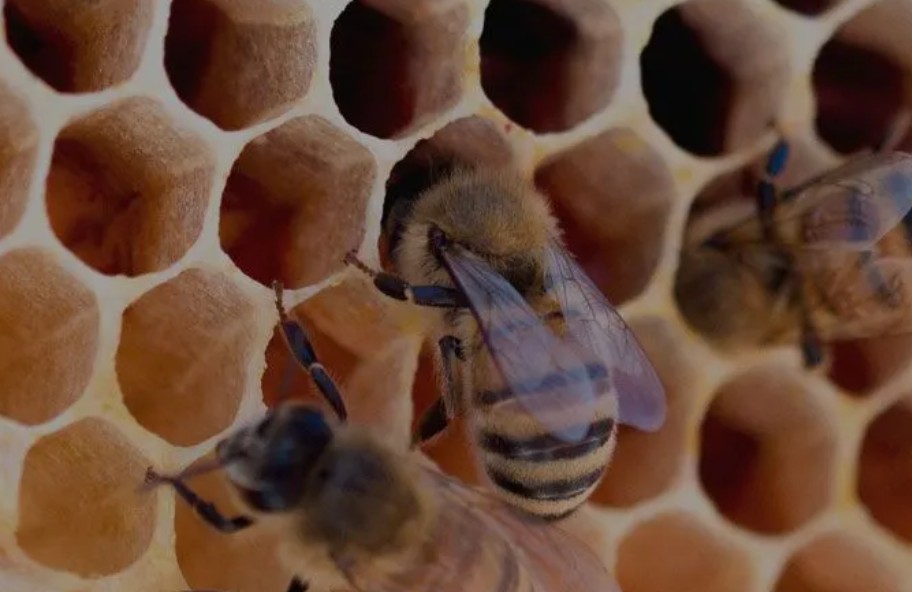
On the other hand, comb honey is the most raw form of honey available. It is served exactly as the bees created it, with the liquid nectar still sealed inside the hexagonal beeswax cells. Because it is entirely unprocessed, it contains not only the honey itself but also additional hive treasures like propolis and bee pollen, which are often filtered out of liquid versions. For those seeking the “straight from the hive” experience, this is the gold standard.
The Sensory Experience: Flavor and Texture
One of the most remarkable things about honey from a dedicated producer like Hani Honey Company is the seasonal variation. Because they move their bees to follow fresh forage, the flavor profile changes throughout the year. You might encounter the citrusy notes of Orange Blossom in the spring or the robust, herbaceous depth of Saw Palmetto in the summer.
When you transition to comb honey, the experience becomes tactile. The wax cells provide a unique “crunch” that gives way to a burst of liquid sweetness. Many enthusiasts enjoy chewing a small square of the comb like a piece of natural gum. Once the honey is gone, the beeswax remains, which can be swallowed or discarded. The presence of the wax actually helps preserve the volatile aromatics of the nectar, making the flavor of comb honey often seem more intense and complex than its liquid counterpart.
Health Benefits and Nutritional Highlights
Both forms are packed with antioxidants, but they offer slightly different profiles.
Pros of Liquid Honey Liquid honey is exceptionally easy to use as a natural cough suppressant or a quick energy boost before a workout. Since it is easy to measure, it is the preferred choice for those using it as a sugar substitute in precise recipes. High-quality raw honey contains enzymes that aid digestion and local pollens that may help with seasonal allergies.
Pros of Comb Honey Because it includes the beeswax and propolis, comb honey is often cited for having higher levels of long-chain fatty acids and alcohols that may support heart health and liver function. The propolis found in the comb is a natural antimicrobial, often referred to as “bee glue,” which bees use to keep the hive sterile. It is a more “complete” food from a nutritional standpoint.
The Pros and Cons of Each Variety
Choosing between these two depends largely on your lifestyle and how you plan to enjoy the product.
Liquid Honey Highlights
-
Highly versatile for cooking, baking, and beverages.
-
Usually more affordable and available in larger quantities.
-
Easier to store and less messy for daily use.
-
Can crystallize over time, though this is a sign of purity and can be fixed with gentle warming.
Comb Honey Highlights
-
The most natural, unprocessed state of the product.
-
Beautiful aesthetic for entertaining or gifting.
-
Contains additional nutrients from propolis and wax.
-
Limited availability; it takes bees roughly 8 pounds of nectar to produce just 1 pound of wax, making it a rare seasonal treat.
-
More expensive due to the intensive labor required by the bees and the beekeeper.
Expert Tips for Serving and Storage
If you are looking to elevate your culinary game, Hani Honey Company recommends pairing their wildflower honeycomb with fresh fruit, crusty baked bread, or a sharp aged cheddar. The contrast between the salty cheese and the sweet, waxy comb is a gourmet revelation.
For storage, keep your liquid honey in a cool, dry place away from direct sunlight. If you have a container of comb honey, it is best kept at room temperature to maintain the soft texture of the wax. Avoid refrigerating either, as cold temperatures accelerate the crystallization process, which can make the comb feel gritty.
The Ethical Choice: Supporting Local Beekeeping
When you purchase from Hani Honey Company, you aren’t just buying a sweetener; you are supporting a family that acts as stewards of the environment. Their commitment to “Fresh From Florida” standards and their involvement in the Florida State Beekeepers Association ensures that the honey you consume is produced ethically.
By choosing local raw products, you help maintain the bee populations necessary for the pollination of native plants like Mangrove and Brazilian Pepper. This connection to the land is what makes raw honey so much more than a grocery item—it is a snapshot of a specific time and place in nature.
Final Verdict: Which One Should You Buy?
If you are a daily user who needs a reliable, healthy sweetener for coffee or morning oats, a jar of raw liquid honey is your best friend. It offers the best value and ease of use while still providing the incredible health benefits of a raw, unheated product.
However, if you are looking for a true gastronomic experience or a gift that speaks to the wonder of nature, comb honey is the clear winner. Its rarity and the fact that it is “just the way the bees made it” provides a level of purity that is hard to match.
Ultimately, both have a place in a well-stocked pantry. The liquid variety provides the daily utility, while the comb provides the occasional luxury. Regardless of your choice, ensuring your honey comes from a transparent, bee-focused producer like Hani Honey Company ensures you are getting the highest quality possible.