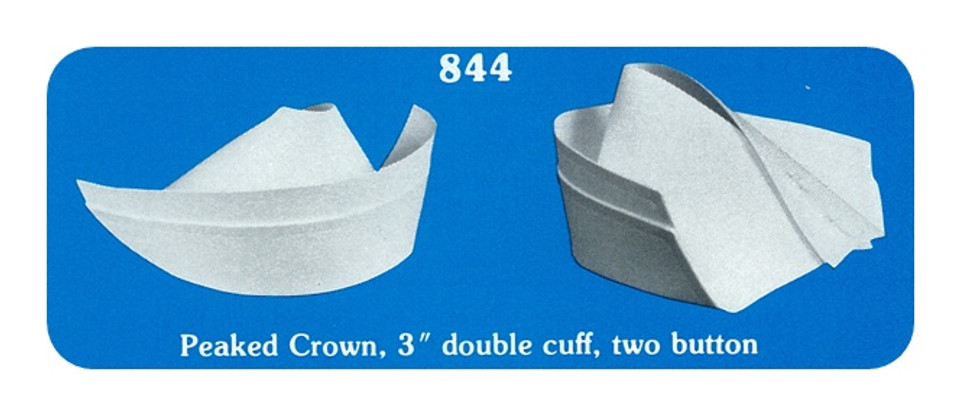
When you think of a nurse, one of the first images that might come to mind is the classic nurse cap. For many, it evokes a sense of nostalgia, tradition, and professionalism. However, despite their iconic status, nurse caps are often overlooked in the modern healthcare setting. Why do nurses wear them, and are they still relevant today?
In this blog post, we’ll dive into the history of nurse caps, explore their benefits, and give you practical tips on how to wear one if you’re considering embracing this timeless symbol. Whether you’re a nursing student, a healthcare professional, or someone just curious about the significance of the nurse cap, this post will provide valuable insights!
The History Behind Nurse Caps
The origins of the nurse cap can be traced back to the 19th century, with roots deeply embedded in the tradition of nursing as a formal profession. Nurse caps became a symbol of respect and professionalism, marking the nurse’s role within the healthcare system.
The earliest forms of nurse headgear were quite different from what we know today. During the Victorian era, nurses often wore simple, functional head coverings to keep their hair out of the way while tending to patients. These early caps were practical but didn’t carry the same symbolic meaning that later versions would.
However, it was Florence Nightingale, the founder of modern nursing, who helped transform the nurse’s attire into the recognizable uniform we associate with the profession. Nightingale’s nursing school introduced a standardized dress code for nurses, and the nurse cap became a part of this. The cap served both practical and symbolic functions: it helped maintain a clean and professional appearance while also distinguishing nurses from other hospital staff.
As nursing became a more formal profession, the nurse cap evolved into a symbol of education, discipline, and authority. By the early 20th century, nurse caps were commonly worn by nursing students and registered nurses around the world.
The Symbolism of the Nurse Cap
Today, the nurse cap is largely symbolic. It represents the tradition, discipline, and professionalism that nurses uphold in their work. For many, it’s a badge of honor—an acknowledgment of the dedication and hard work required to enter the nursing profession.
Historically, the nurse cap also served as a marker of rank and experience. In some schools, nursing students would wear a different style or color of cap than fully qualified nurses, which signified their level of education and expertise. Over time, however, the cap became less about rank and more about the symbolic nature of nursing itself.
Nurses still wear caps in some places, although it’s much less common today than in past decades. In many hospitals and medical settings, the nurse cap has been replaced with more practical headgear, such as scrubs or simple hairnets. Despite this shift, the nurse cap remains a powerful symbol of the nursing profession and continues to hold sentimental value for many nurses and their patients.
Benefits of Wearing Nurse Caps
Although they aren’t as common as they once were, wearing a nurse cap still offers a number of benefits for those who choose to wear them. Here are some of the key advantages:
1. Professional Appearance
The nurse cap adds a touch of elegance and formality to a nurse’s uniform. It can help nurses maintain a polished, professional look. In environments where uniforms are standard, the nurse cap provides an additional level of refinement and sophistication, making nurses easily identifiable.
2. Symbol of Dedication
Wearing a nurse cap can be a way for nurses to express their commitment to the profession. For nurses who wear them, the cap can serve as a reminder of the values and ethics they uphold. It’s not just about following tradition but about honoring the legacy of those who have paved the way in healthcare.
3. Enhanced Hygiene
In earlier days, the primary function of the nurse cap was to keep the nurse’s hair clean and out of the way during medical procedures. In this sense, wearing a cap can still help ensure that a nurse’s hair doesn’t interfere with their work or the hygiene standards of the healthcare environment. Even in modern times, maintaining a hygienic appearance is essential in a medical setting.
4. Boosts Confidence
For some nurses, donning a nurse cap can be a confidence booster. It allows them to feel more connected to the tradition and history of nursing. Wearing a nurse cap can inspire a sense of pride and purpose, which can be incredibly motivating in such a demanding profession.
Practical Tips for Wearing a Nurse Cap
If you’re considering wearing a nurse cap or simply curious about how to make it work in a modern setting, here are a few practical tips to keep in mind:
1. Choose the Right Style for You
Nurse caps come in various styles, from traditional, stiff caps to softer, more flexible head coverings. It’s important to choose a style that suits your comfort and the environment in which you’ll be working. For example, some hospitals may require a more structured cap, while others may allow a simpler, cloth-based cap.
2. Consider Comfort and Fit
If you’re going to wear a nurse cap regularly, ensure it fits properly. A cap that is too tight can cause discomfort or headaches, while a cap that is too loose might slip off during your shift. Look for a cap with adjustable straps or elastic bands for a secure, comfortable fit.
3. Maintain Your Cap
Just like any other piece of clothing, nurse caps need to be cleaned and maintained. Check the care instructions on your cap’s label to ensure you’re washing it properly. Regular cleaning will help maintain its shape and ensure it remains hygienic.
4. Be Mindful of the Environment
While some healthcare settings may still use nurse caps, others have opted for a more practical approach with hairnets or scrubs. Be sure to check with your hospital or clinic to see if wearing a nurse cap is allowed and appropriate. Adapting to the workplace environment is crucial, so always make sure your cap fits within the dress code.
5. Embrace the Tradition
If you’re new to the nursing profession, wearing a nurse cap can help you feel more connected to the history and tradition of the field. It’s a simple way to honor those who came before you while adding to your professional persona. You may even find that wearing it makes you feel more empowered in your role.
Conclusion: The Enduring Charm of the Nurse Cap
Although the nurse cap is no longer as common as it once was, it continues to be an important part of nursing history. For those who wear it, it represents professionalism, dedication, and a deep connection to the nursing tradition. Whether you choose to wear one or not, the nurse cap will always be a symbol of the hard work and compassion that nurses provide to their patients.
If you’re drawn to the idea of embracing this timeless symbol, follow the tips mentioned above to wear your nurse cap with pride and confidence. It’s a small yet powerful way to honor the profession and its rich history, while adding a touch of elegance to your nursing uniform.