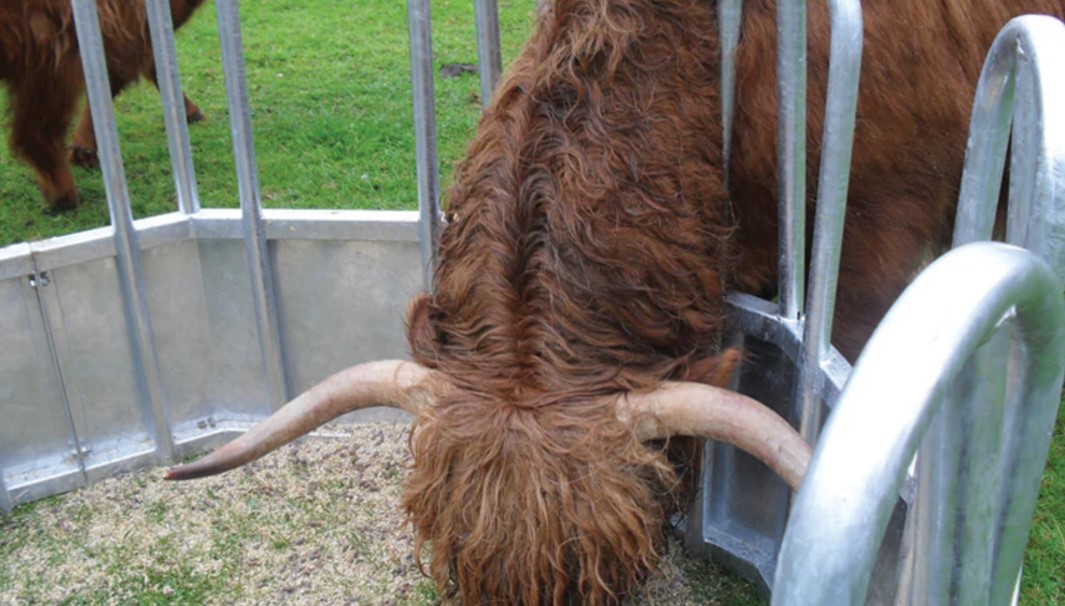
As a farmer, one of the most important aspects of raising cattle is ensuring they receive the right amount of nutrition to support their growth and development. Cattle creep feeders are an excellent tool to help young calves get the nutrients they need, especially when they are not yet able to graze effectively. But how exactly do these feeders work, and are they really worth the investment?
In this blog post, we’ll explore the benefits of cattle creep feeders, how they work, and offer actionable advice on how to use them effectively on your farm. Whether you’re new to farming or you’re looking to optimize your cattle operation, this guide will provide valuable insights into how to make the most out of these essential tools.
What Are Cattle Creep Feeders?
Cattle creep feeders are specialized feeding systems designed to give young calves access to supplemental feed while preventing adult cattle from eating it. The concept is simple: a cattle creep feeder allows calves to enter through small openings or gates, but adult cattle are too large to access the feed. This system ensures that the calves get their own share of high-quality feed, without competition from older cows.
Creep feeders are typically used in areas where calves may be struggling to get enough nutrition from pasture alone, particularly in early stages of growth. By offering supplementary feed such as grains, pelleted feed, or hay, you help ensure calves grow faster, healthier, and stronger.
Why Use Cattle Creep Feeders?
There are several reasons why cattle creep feeders are a great investment for any cattle farm:
- Boost Calf Growth
One of the biggest benefits of using a cattle creep feeder is that it helps calves grow more quickly. Since calves have a high nutritional demand for growth, especially in the early stages, providing supplemental feed gives them the energy and nutrients they need to reach their full potential. With access to a creep feeder, calves can grow at a healthier rate, which can lead to higher profits when it comes time to sell or use them for breeding. - Better Feed Efficiency
A creep feeder allows for more efficient feeding because it eliminates the competition from adult cattle. Instead of having the adults eat the calf’s portion of feed, calves can access their own food without interference. This helps reduce waste and ensures the feed is used optimally. - Improved Health and Immunity
Healthy calves are less likely to suffer from illnesses, and the right nutrition plays a key role in their immune system development. By giving calves access to good quality feed, you help build their resistance to diseases and improve their overall health. Healthy, well-nourished calves are less likely to need expensive medical attention, saving you money in the long run. - Convenience and Time-Saving
Once you set up a cattle creep feeder, it’s relatively easy to manage. Instead of having to hand-feed individual calves or monitor grazing closely, you can leave the calves to feed on their own while you focus on other aspects of farm management. Additionally, many creep feeders are designed to be weather-resistant and durable, so they can be used over an extended period with minimal maintenance.
Cattle Creep Feeders vs. Sheep Creep Feeders: What’s the Difference?
It’s worth noting that while cattle creep feeders are designed specifically for young calves, there are also sheep creep feeders available for lambs. The primary difference between these two types of feeders is the size and design of the entryway. Sheep are generally smaller than cattle, so sheep creep feeders are made with smaller openings that are just big enough for lambs to access, but too small for adult sheep.
For farms that raise both cattle and sheep, it’s important to choose the right feeder for each species. While cattle creep feeders are designed to handle larger feed portions and accommodate calves, sheep creep feeders are more compact and suitable for the smaller mouths of lambs.
How to Choose the Right Cattle Creep Feeder
Selecting the right cattle creep feeder depends on several factors, such as your herd size, the type of feed you plan to use, and your farm’s specific needs. Here are some tips for choosing the best feeder for your farm:
- Assess the Size of Your Herd
For smaller herds, a single cattle creep feeder may suffice. However, if you have a large herd, you may need multiple feeders spread across your grazing areas to ensure every calf gets enough feed. Consider your herd size when determining how many feeders you’ll need. - Consider Feed Type
Creep feeders come in various designs to accommodate different feed types. If you plan to feed pellets or grains, look for a feeder that’s specifically designed for dry feeds. On the other hand, if you’re feeding hay or silage, make sure the feeder has a design that prevents those feed types from becoming wasted or contaminated. - Durability and Material
Cattle equipment is an investment, so you want to choose a feeder that’s built to last. Most cattle creep feeders are made from materials like galvanized steel, which is durable and rust-resistant. Look for a feeder that can withstand the wear and tear of farm life, including weather conditions like rain or snow. - Portability
If you have a large pasture or move your cattle between grazing areas, a portable creep feeder can be a valuable asset. Some feeders are designed to be lightweight and easy to move from one area to another, which can make your feeding process more efficient. - Ease of Maintenance
The easier the feeder is to clean and maintain, the better. Look for feeders with removable trays, easy-to-clean surfaces, and designs that minimize the buildup of mold or bacteria. Regular cleaning is essential to ensure the health of your calves and to get the most use out of your equipment.
Best Practices for Using Cattle Creep Feeders
To maximize the benefits of your cattle creep feeder, here are a few best practices to follow:
- Introduce Feed Early
Start providing supplemental feed to your calves as early as possible, ideally around 3 to 4 weeks old. The sooner they begin accessing high-quality feed, the faster they will grow. - Monitor Feed Consumption
Keep an eye on how much your calves are eating. If you notice they’re consuming more than expected, it may be time to adjust the feed type or increase the amount you provide. - Clean Regularly
Make cleaning your cattle creep feeder a part of your regular maintenance routine. A dirty feeder can lead to the growth of harmful bacteria or mold, which can cause health problems for your calves. - Ensure Access to Fresh Water
Always provide fresh, clean water for your calves. Feed and water go hand in hand, and having both available will help ensure your calves grow strong and healthy.
Conclusion
Investing in cattle creep feeders is a smart choice for any farmer who wants to ensure their young calves get the nutrition they need for healthy growth and development. With the right feeder, you can boost calf performance, improve feed efficiency, and save time on managing your herd.
By following the tips and best practices shared in this post, you’ll be able to maximize the benefits of cattle creep feeders and watch your calves thrive. Whether you’re raising cattle or sheep, the right feeder makes all the difference in maintaining a successful and profitable farm.