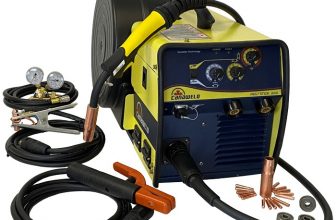
Construction, manufacturing, and the automotive industries are just a few sectors where welding is a versatile and often utilized technology. The proper welding equipment is essential to achieving high-quality welds. This article examines the value of welding tools, the necessary instruments for successful welding projects, and the variables to consider when selecting the best tools for your welding requirements.
The Significance of Welding Tools
The foundation of any welding tools project is the equipment used for welding, which is essential for producing precise and long-lasting welds. In addition to increasing productivity, these instruments guarantee the effectiveness and safety of the welding process. Welders can obtain precise control, enhance weld quality, and reduce the chance of accidents or mistakes by using the proper welding gear.
Essential Welding Tools for Every Welder
1.Welding Machine: The welding machine is the core tool in any welding setup. It generates the electric arc necessary for joining metals.
2.Welding Gloves: Welding gloves are essential for hand protection against heat, sparks, and molten metal. They should be made of flame-resistant materials, provide dexterity, and cover both the hands and wrists.
3.Welding Jacket or Apron: A welding jacket or apron shields the welder’s upper body from sparks, splatter, and heat. It should be made of flame-resistant material and adequately fit to ensure maximum protection.
4.Welding Electrodes or Filler Rods: Welding electrodes or filler rods add material to the weld joint. They come in various types and compositions to match the base metal being welded.
5.Welding Clamps and Magnets: These tools hold workpieces securely in place during welding, ensuring proper alignment and preventing movement or distortion.
6.Wire Brush and Chipping Hammer: A wire brush cleans the welding surface, removing slag, rust, and debris before welding. A chipping hammer helps remove stubborn slag and excess weld metal.
Proper Maintenance and Care
The following maintenance advice will help your welding gear last longer and perform better:
1. Regular Cleaning: Remove trash, slag, and rust from welding equipment after every use. By doing so, contamination is avoided, and performance is kept at its peak.
2. Storage: To prevent rust and moisture damage, keep welding equipment in a spot that is clean, dry, and well-ventilated. To keep things arranged and accessible, choose suitable storage options like toolboxes or hanging racks.
3. Regular Inspections: Check your welding equipment frequently for wear, corrosion, or dysfunction symptoms. Tools should be replaced or repaired as necessary to guarantee safety and best performance.
Conclusion
For welding projects to be completed successfully, welding tools are required. Welders may use the proper tools and equipment to guarantee precision, efficiency, and safety in their welding operations. Pick high-quality tools and perform routine maintenance on them to get long-lasting performance out of your welding tools tasks. You’ll be prepared to complete any welding work with the proper welding equipment with assurance and accuracy.