

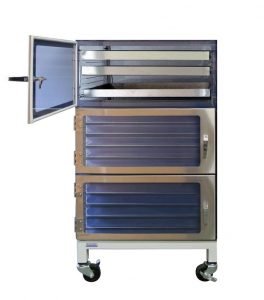
Maintaining a controlled environment is essential in any laboratory. Moisture, dust, and airborne contaminants can damage sensitive materials, affect testing accuracy, and reduce product quality. That is why you rely on specialized storage solutions to protect valuable samples and equipment. One of the most effective tools for this purpose is a desiccator cabinet.
A desiccator cabinet helps you create a low-humidity storage environment for moisture-sensitive items. Whether you work in pharmaceuticals, electronics, biotechnology, or research laboratories, this equipment helps preserve materials and improve experimental reliability. Understanding its uses can help you choose the right system for your lab operations.
What Is a Desiccator Cabinet?
A desiccator cabinet is a sealed storage enclosure designed to control humidity levels. It protects laboratory materials from moisture contamination by maintaining a dry internal atmosphere. Some models use desiccants, while others use nitrogen purging or electronic humidity control systems.
Modern labs often depend on a high-quality Desiccator Cabinet for moisture-sensitive laboratory storage solutions to maintain product integrity and extend material lifespan.
Why Moisture Control Matters in Laboratories
Humidity can affect many laboratory materials and processes. Even slight moisture exposure can lead to:
- Chemical degradation
- Corrosion of metal components
- Contamination of samples
- Inaccurate test results
- Reduced shelf life of sensitive materials
- Damage to electronic devices
By using a desiccator cabinet, you reduce these risks and maintain stable storage conditions.
Common Uses of a Desiccator Cabinet in Labs
Storing Moisture-Sensitive Chemicals
Many chemicals absorb moisture directly from the air. Hygroscopic substances can clump, react, or lose effectiveness when exposed to humidity. A desiccator cabinet keeps these chemicals dry and stable.
You can safely store:
- Powders
- Salts
- Reagents
- Analytical standards
- Specialty compounds
This helps preserve chemical purity and ensures accurate laboratory results.
Protecting Electronic Components
Electronics laboratories often use desiccator cabinets to protect delicate components from moisture damage. Humidity can cause oxidation, corrosion, and electrical failures.
You can store:
- Printed circuit boards
- Semiconductors
- Sensors
- Microchips
- Optical devices
A controlled dry environment improves product reliability and reduces defects during manufacturing or testing.
Preserving Pharmaceutical Samples
In pharmaceutical labs, moisture exposure can alter drug formulations and reduce effectiveness. Desiccator cabinets help maintain stable storage conditions for pharmaceutical products and research samples.
You can use them for:
- Tablets and capsules
- Active pharmaceutical ingredients
- Diagnostic kits
- Research compounds
- Stability testing samples
This supports compliance with quality standards and regulatory requirements.
Drying Laboratory Equipment
Laboratory glassware and instruments must often remain dry before use. A desiccator cabinet provides a clean and controlled space for drying and storing equipment after sterilization or cleaning.
You can store:
- Beakers
- Pipettes
- Petri dishes
- Surgical instruments
- Precision measuring tools
This reduces contamination risks and prepares equipment for accurate testing.
Supporting Material Research
Research laboratories frequently work with advanced materials that react to environmental changes. A desiccator cabinet helps maintain stable conditions for sensitive research samples.
Common applications include:
- Nanomaterials
- Polymers
- Composite materials
- Biomaterials
- Thin films
You improve consistency in experiments by limiting moisture-related variations.
Preventing Sample Contamination
Airborne moisture often carries dust, bacteria, and contaminants that can compromise laboratory samples. Desiccator cabinets provide sealed protection against external exposure.
This is especially important in:
- Biotechnology labs
- Microbiology labs
- Medical research facilities
- Cleanroom environments
Keeping samples isolated helps maintain testing accuracy and research integrity.
Long-Term Storage of Sensitive Materials
Certain laboratory materials require long-term dry storage to preserve their performance. Desiccator cabinets create stable conditions that help prevent deterioration over time.
You can safely store:
- Calibration standards
- Archival samples
- Specialty coatings
- Optical lenses
- Precision instruments
This minimizes waste and reduces replacement costs.
Types of Desiccator Cabinets Used in Labs
Choosing the right cabinet depends on your laboratory needs. Common types include:
Static Desiccator Cabinets
These use desiccants such as silica gel to absorb moisture. They are ideal for basic laboratory storage applications.
Vacuum Desiccator Cabinets
These cabinets remove air and humidity using vacuum technology. They are commonly used for highly sensitive materials.
Nitrogen Purge Desiccator Cabinets
Nitrogen gas displaces moisture and oxygen inside the cabinet. This option works well for electronics and oxidation-sensitive materials.
Automatic Dry Cabinets
These electronically controlled cabinets maintain precise humidity levels for advanced laboratory applications.
Benefits of Using a Desiccator Cabinet
A desiccator cabinet offers several practical advantages for your lab:
- Maintains low humidity conditions
- Protects sensitive materials from damage
- Improves research accuracy
- Extends product shelf life
- Reduces contamination risks
- Supports laboratory compliance standards
- Minimizes material waste
By investing in proper storage equipment, you improve efficiency and protect valuable laboratory assets.
How to Choose the Right Desiccator Cabinet
Before selecting a cabinet, consider the following:
Humidity Requirements
Determine the humidity level your materials require for safe storage.
Cabinet Size
Choose a cabinet that fits your laboratory space and storage capacity needs.
Material Compatibility
Ensure the cabinet material resists corrosion from stored chemicals or substances.
Monitoring Features
Advanced models include digital humidity displays and automatic controls for better precision.
Access and Organization
Look for adjustable shelves and easy-access doors to improve workflow efficiency.
If you need help selecting the best solution for your facility, contact us today for expert guidance on laboratory desiccator cabinet systems.
Best Practices for Using a Desiccator Cabinet
To maximize performance:
- Regularly monitor humidity levels
- Replace desiccants when needed
- Avoid frequent door openings
- Keep stored items organized
- Clean the cabinet routinely
- Follow manufacturer maintenance recommendations
Proper maintenance ensures consistent protection for your laboratory materials.
FAQ About Desiccator Cabinets
What is the main purpose of a desiccator cabinet?
A desiccator cabinet protects moisture-sensitive materials by maintaining a low-humidity storage environment.
Which industries commonly use desiccator cabinets?
Pharmaceutical, electronics, biotechnology, medical, research, and manufacturing industries frequently use desiccator cabinets.
Can a desiccator cabinet prevent contamination?
Yes. A sealed desiccator cabinet helps reduce exposure to moisture, dust, and airborne contaminants.
What materials can you store inside a desiccator cabinet?
You can store chemicals, electronics, laboratory instruments, pharmaceutical samples, optical components, and research materials.
How do you maintain a desiccator cabinet?
You should monitor humidity levels, replace desiccants when necessary, clean the cabinet regularly, and inspect seals for proper performance.
Are nitrogen desiccator cabinets better for electronics?
Yes. Nitrogen purge cabinets help reduce oxidation and moisture damage, making them ideal for sensitive electronic components.
Conclusion
A desiccator cabinet plays a critical role in protecting laboratory materials from moisture and contamination. Whether you work with pharmaceuticals, electronics, chemicals, or research samples, controlled dry storage helps maintain accuracy, stability, and product quality.
By choosing the right desiccator cabinet for your laboratory, you improve operational efficiency, reduce waste, and safeguard valuable materials for long-term use.


