

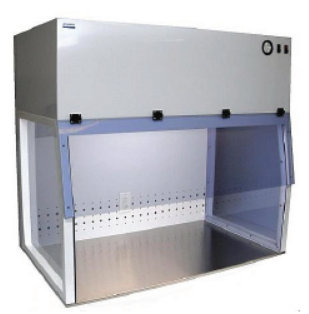
Contamination control is one of the most important priorities in laboratories, cleanrooms, pharmaceutical facilities, electronics manufacturing environments, and research institutions. Even microscopic particles, airborne contaminants, or microorganisms can compromise product quality, disrupt experiments, and lead to costly failures. To maintain a controlled environment, you need equipment specifically designed to minimize contamination risks. One of the most effective solutions is a clean bench hood.
A clean bench hood provides a continuous flow of highly filtered air across the work surface, creating a clean environment for sensitive procedures and materials. Understanding why this equipment is critical can help you improve operational efficiency, product integrity, and regulatory compliance.
Understanding How a Clean Bench Hood Works
A clean bench hood is designed to protect products and processes from airborne contamination. It uses High-Efficiency Particulate Air (HEPA) or Ultra-Low Particulate Air (ULPA) filtration systems to remove particles from incoming air before directing it across the workspace.
The filtered air flows uniformly over the work area, sweeping away contaminants and preventing particles from settling on sensitive materials. This controlled airflow creates a cleaner environment compared to the surrounding room, significantly reducing contamination risks.
If you work with pharmaceuticals, medical devices, electronics, optics, or biological samples, using a high-performance Clean Bench Hood for contamination-free laboratory operations can help maintain product quality and process consistency.
Prevents Airborne Particle Contamination
Airborne particles are one of the leading causes of contamination in controlled environments. Dust, lint, skin cells, and microscopic debris can settle on samples, instruments, and products.
A clean bench hood continuously supplies filtered air that removes airborne particles before they reach your work area. This protection is especially important when handling:
- Sterile components
- Sensitive electronic devices
- Optical equipment
- Laboratory samples
- Precision-manufactured products
By minimizing particle exposure, you can significantly reduce defects, rejected products, and experimental errors.
Improves Product Quality and Reliability
When contamination enters a manufacturing or laboratory process, it can affect product performance and consistency. Even minor contamination may lead to inaccurate test results, equipment malfunctions, or product failures.
Using a clean bench hood helps maintain a stable and controlled workspace where contamination is minimized. As a result, you can:
- Improve product consistency
- Reduce quality-control failures
- Increase manufacturing yields
- Enhance research accuracy
- Protect valuable materials
Consistent contamination control directly contributes to higher-quality outcomes and improved customer satisfaction.
Supports Regulatory Compliance
Many industries must comply with strict cleanliness standards and regulatory requirements. Pharmaceutical, biotechnology, healthcare, and electronics sectors often operate under guidelines that require controlled environments.
A properly maintained clean bench hood helps support compliance efforts by providing a cleaner workspace and reducing contamination risks. While specific requirements vary by industry, clean air equipment plays a vital role in meeting cleanliness expectations and maintaining documented quality standards.
Organizations that prioritize contamination control are often better prepared for audits, inspections, and certification processes.
Protects Sensitive Laboratory Procedures
Many laboratory applications require an environment free from airborne contaminants. Procedures such as sample preparation, culture handling, device assembly, and analytical testing can be negatively affected by particle intrusion.
A clean bench hood creates a dedicated clean workspace that allows you to focus on precision tasks with greater confidence. The controlled airflow helps maintain sample integrity and reduces the likelihood of contamination-related disruptions.
This protection is especially valuable when working with expensive materials or conducting research that requires highly accurate results.
Enhances Operational Efficiency
Contamination-related issues can lead to delays, rework, product waste, and increased operating costs. Every failed batch, contaminated sample, or defective product represents lost time and resources.
By incorporating a clean bench hood into your workflow, you can reduce contamination incidents and improve process reliability. This leads to:
- Fewer production interruptions
- Lower material waste
- Reduced rework requirements
- Faster project completion
- Improved productivity
Investing in contamination control equipment often results in long-term operational savings.
Creates a Dedicated Clean Workspace
Environmental conditions can vary significantly throughout a facility. A clean bench hood provides a localized clean environment exactly where you need it most.
Rather than attempting to control an entire room, you can establish a focused clean zone for critical procedures. This targeted approach allows you to protect sensitive operations without the expense of building a full cleanroom.
For many applications, a clean bench hood offers a practical and cost-effective contamination control solution.
Choosing the Right Clean Bench Hood
Not all clean bench hoods are identical. Selecting the right model depends on your specific application, cleanliness requirements, workspace dimensions, and operational goals.
When evaluating options, consider:
- HEPA or ULPA filtration efficiency
- Airflow design
- Work surface size
- Material construction
- Maintenance requirements
- Industry-specific needs
Working with an experienced manufacturer can help ensure that you choose equipment that aligns with your contamination control objectives.
For advanced clean air solutions, explore the high-quality Clean Bench Hood systems for laboratory contamination control offered by CleaTech LLC. Their expertise in cleanroom and laboratory equipment can help you identify the right solution for your environment.
Conclusion
A clean bench hood plays a critical role in contamination control by providing filtered airflow that protects products, samples, and processes from airborne particles. Whether you work in research, pharmaceuticals, healthcare, electronics manufacturing, or industrial production, maintaining a clean workspace is essential for quality, efficiency, and compliance.
By investing in a reliable Clean Bench Hood, you can reduce contamination risks, improve product integrity, and create a controlled environment that supports successful outcomes. To learn more about available solutions or discuss your specific requirements, Contact us today and speak with the experts at CleaTech LLC.
Frequently Asked Questions
What is a clean bench hood used for?
A clean bench hood is used to provide a filtered airflow environment that protects products, samples, and materials from airborne contamination during sensitive procedures.
How does a clean bench hood reduce contamination?
It uses HEPA or ULPA filters to remove airborne particles and directs clean air across the work surface, preventing contaminants from settling on materials.
Is a clean bench hood the same as a biosafety cabinet?
No. A clean bench hood protects products from contamination, while a biosafety cabinet is designed to protect personnel, products, and the environment from biological hazards.
Which industries commonly use clean bench hoods?
Industries such as pharmaceuticals, biotechnology, healthcare, electronics manufacturing, optics, and scientific research frequently use clean bench hoods.
How often should clean bench hood filters be replaced?
Filter replacement depends on usage, environmental conditions, and manufacturer recommendations. Regular inspections and performance testing help determine when replacement is necessary.
Can a clean bench hood replace a cleanroom?
A clean bench hood can create a localized clean workspace, but it does not fully replace a cleanroom when comprehensive environmental control is required.


