

Coffee, a beloved beverage enjoyed by millions worldwide, has undergone numerous transformations over the years. In recent times, a unique variation has gained popularity – Lion’s Mane Coffee. This intriguing concoction is not your typical cup of joe. In this article, we’ll explore how Lion’s Mane Coffee differs from regular coffee, diving into its origin, key ingredients, health benefits, and a comparative analysis.
2. The Origin and History of Lion’s Mane Coffee:
Lion’s Mane Coffee has its roots in traditional Chinese medicine, where the Lion’s Mane mushroom (Hericium erinaceus) has been valued for centuries. Known for its potential cognitive and health benefits, this mushroom caught the attention of coffee enthusiasts seeking a different kind of brew. The infusion of Lion’s Mane into coffee presents a novel way to enjoy this ancient remedy.
3. Lion’s Mane Mushroom: The Key Ingredient:
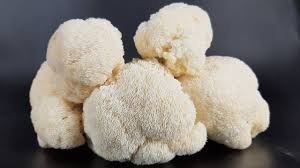
Central to the uniqueness of Lion’s Mane Coffee is the inclusion of Lion’s Mane mushroom extract. This distinctive mushroom, resembling a lion’s mane in appearance, is renowned for its potential neuroprotective and immune-boosting properties. The extraction process involves obtaining beneficial compounds from the mushroom, creating a concentrated form to enhance the coffee blend.
4. Health Benefits of Lion’s Mane Coffee:
4.1 Cognitive Enhancement:
One of the primary reasons for the rising popularity of Lion’s Mane Coffee is its potential cognitive benefits. The mushroom contains compounds that may support brain health, potentially improving memory, focus, and overall cognitive function. As a result, many consumers are turning to Lion’s Mane Coffee as a “smart” coffee alternative.
4.2 Immune System Support:
Lion’s Mane mushroom is also recognized for its immune-boosting properties. The presence of beta-glucans and other bioactive compounds may contribute to a strengthened immune system, making Lion’s Mane Coffee an attractive choice for those seeking a health-conscious beverage.
4.3 Antioxidant Properties:
Antioxidants play a crucial role in neutralizing free radicals in the body, and Lion’s Mane Coffee is no exception. The mushroom extract in this coffee is rich in antioxidants, potentially aiding in cellular protection and reducing oxidative stress.
5. Comparing Lion’s Mane Coffee and Regular Coffee:
5.1 Flavor Profile:
Lion’s Mane Coffee offers a unique flavor profile that sets it apart from regular coffee. The earthy and slightly sweet notes from the mushroom extract complement the rich and bold taste of coffee, providing a distinctive sensory experience for those willing to venture beyond traditional coffee flavors.
5.2 Caffeine Content:
For those mindful of their caffeine intake, Lion’s Mane Coffee may offer a solution. While regular coffee is known for its high caffeine content, Lion’s Mane Coffee provides a milder alternative. The combination of coffee and Lion’s Mane extract often results in a beverage with a reduced caffeine kick, catering to individuals sensitive to caffeine or looking for a more moderate energy boost.
5.3 Brewing Methods:
Both Lion’s Mane Coffee and regular coffee can be brewed using various methods. However, the addition of Lion’s Mane mushroom extract may require some adjustments to brewing techniques. Exploring different brewing methods allows coffee enthusiasts to tailor their Lion’s Mane Coffee experience to their preferences.
5.4 Environmental Impact:
The environmental impact of coffee production is a growing concern. While regular coffee cultivation has faced criticism for deforestation and pesticide use, the production of Lion’s Mane Coffee may offer a more sustainable alternative. Mushroom cultivation often requires fewer resources and generates less environmental harm, making Lion’s Mane Coffee a potentially eco-friendly choice.
6. Potential Side Effects and Considerations:
While Lion’s Mane Coffee is generally well-tolerated, it’s essential to consider individual sensitivities. Some people may experience mild digestive discomfort or allergic reactions. Additionally, those with pre-existing medical conditions or taking medications should consult with a healthcare professional before incorporating Lion’s Mane Coffee into their routine.
7. Lion’s Mane Coffee in the Market:
The demand for lions mane grow kit has led to its availability in various forms, including pre-ground blends, mushroom coffee pods, and even instant options. Several coffee roasters and health-focused brands have embraced the trend, offering consumers a wide range of choices to fit their preferences and lifestyles.
8. How to Make Lion’s Mane Coffee at Home:
For those intrigued by the idea of Lion’s Mane Coffee, making it at home is a viable option. This section will provide a step-by-step guide, outlining the ingredients, brewing methods, and tips for achieving the perfect cup of homemade Lion’s Mane Coffee.
At Lone Star Mushrooms, our mission is simple yet profound—to provide a diverse range of high-quality mushrooms while prioritizing environmental responsibility. We believe in the magic of mushrooms not only as a culinary delight but also as a sustainable and nutritious food source.
9. Conclusion:
In conclusion, Lion’s Mane Coffee represents a fascinating evolution in the world of coffee, offering a blend that goes beyond the traditional coffee experience. From its ancient roots in Chinese medicine to its modern popularity, the incorporation of Lion’s Mane mushroom extract introduces a new dimension to the beloved beverage. Whether for its potential health benefits, unique flavor profile, or reduced caffeine content, Lion’s Mane Coffee provides an exciting alternative for those seeking a distinctive and mindful coffee experience. As the market continues to embrace this trend, it’s clear that Lion’s Mane Coffee is more than just a passing fad – it’s a flavorful journey into the future of coffee consumption.


