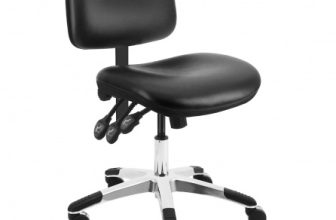
Designing cleanroom furniture for efficient gowning workflows helps you control contamination, improve staff movement, and maintain consistent gowning procedures. When you organize your gowning area around the correct furniture, employees can transition from general spaces into controlled environments with fewer unnecessary movements and less risk of transferring particles.
Your design should support your cleanroom classification, gowning protocol, available floor space, and daily personnel volume. By selecting suitable seating, benches, storage units, and work surfaces, you can create a practical gowning area that supports hygiene, comfort, and operational efficiency.
Map Your Gowning Process Before Selecting Furniture
Start by documenting every step employees follow before entering the cleanroom. Your layout should reflect the actual sequence of activities rather than simply filling the available space with benches and storage cabinets.
A typical gowning workflow may include:
- Removing outdoor footwear and personal items.
- Storing personal belongings in designated compartments.
- Changing into facility-approved garments.
- Sitting on a gowning bench to change footwear.
- Putting on cleanroom shoes, shoe covers, or other required protective items.
- Donning gloves, masks, hoods, and additional garments according to your procedure.
- Performing final checks before entering the controlled area.
Arrange furniture in the same order as these activities. Clearly separate designated clean and less-clean zones, and avoid layouts that require employees to backtrack or cross established boundaries.
For example, position personal storage near the entrance and provide a suitable bench at the transition between footwear zones. Place clean garment storage farther along the designated route so employees can retrieve supplies without returning to the entrance.
Choose Furniture That Supports Contamination Control
Cleanroom furniture must withstand routine cleaning while minimizing surfaces where particles, dust, and residues can accumulate. Your choice of materials, construction, and finish should match the environmental requirements of your facility.
Stainless steel is commonly used for cleanroom benches, tables, and storage because it offers durability and can tolerate many cleaning procedures. Other suitable materials may be appropriate depending on chemical compatibility, cleaning agents, and cleanroom classification.
When evaluating furniture, consider these features:
Smooth surfaces: Reduce hard-to-clean crevices and make routine wiping easier.
Non-shedding construction: Avoid materials that release fibers or particles during normal use.
Corrosion resistance: Select finishes compatible with your cleaning chemicals and disinfectants.
Accessible joints: Favor designs that allow staff to clean underneath and around furniture.
Stable construction: Prevent unnecessary movement during sitting, standing, or garment handling.
Review the manufacturer’s specifications and your facility’s cleaning requirements before purchasing. Furniture selection alone does not guarantee compliance with a particular ISO cleanroom class; the complete room, operating practices, and contamination-control program determine performance.
Explore cleanroom furniture and gowning equipment for organized contamination-controlled workspaces to evaluate options that fit your facility’s operational needs.
Position Gowning Benches at Critical Transition Points
Gowning benches help employees change footwear and separate designated zones without placing clean items on potentially contaminated floors. Their location and dimensions directly affect the ease of movement through the gowning area.
Place each bench where your gowning procedure requires a change between footwear or clothing categories. Ensure employees have sufficient room to sit, stand, turn, and handle garments safely without obstructing others.
Consider the following design practices:
- Select bench dimensions appropriate for the number of users and available space.
- Choose smooth, durable surfaces that are easy to clean.
- Provide enough clearance for staff to change footwear without crowding.
- Keep walkways and emergency exits unobstructed.
- Use clear floor markings or visual cues to identify transition boundaries.
For facilities with higher personnel traffic, assess whether multiple benches or staggered gowning positions would reduce queues. Avoid adding unnecessary furniture that narrows circulation paths or creates difficult-to-clean areas.
Organize Garment Storage and Supplies by Workflow
Poorly arranged storage can interrupt gowning, increase handling, and create unnecessary contact between clean garments and other items. Your storage design should make required supplies easy to identify and retrieve.
Use designated compartments, cabinets, shelves, or dispensers for different garment categories. Keep clean garments protected from dust and accidental contact, and separate personal belongings from cleanroom supplies.
Organize frequently used items at convenient heights so employees can retrieve them without excessive reaching or bending. Label storage locations clearly, and maintain a consistent arrangement across shifts.
You can improve efficiency by:
- Grouping garments according to gowning sequence.
- Separating sizes to reduce time spent searching.
- Keeping replenishment supplies accessible to authorized staff.
- Establishing minimum stock levels for essential items.
- Using a documented cleaning and restocking schedule.
Avoid overfilling storage units. Crowded shelves make garment handling more difficult and may compromise packaging or expose clean items to unnecessary contact.
Design for Personnel Flow, Comfort, and Maintenance
An efficient gowning room must accommodate both contamination-control procedures and the physical needs of employees. Insufficient seating, narrow aisles, or poorly positioned storage can cause congestion and inconsistent gowning practices.
Estimate peak personnel volume rather than designing solely around average occupancy. Observe shift changes, breaks, and simultaneous entry periods to identify where queues form.
Use these practical checks during layout planning:
- Maintain unobstructed access to doors and required safety equipment.
- Provide adequate aisle clearance based on applicable building and safety requirements.
- Position furniture to avoid unnecessary crossing between designated zones.
- Choose ergonomic seating and work surfaces suited to the tasks performed.
- Allow access for cleaning beneath and behind furniture.
- Establish inspection schedules for loose fittings, damaged finishes, and worn surfaces.
If you plan to modify an existing gowning room, test the proposed arrangement with representative users before final installation. A walkthrough can reveal awkward movements, storage bottlenecks, and areas where employees may unintentionally bypass gowning steps.
Evaluate Furniture Before Finalizing Your Layout
Before purchasing, create a checklist that compares each furniture item with your operational requirements. Consider cleanroom compatibility, dimensions, load capacity, cleaning procedures, maintenance needs, and total cost of ownership.
Ask suppliers for product specifications, material details, available dimensions, and cleaning recommendations. Confirm that the furniture can fit through access doors and be installed without disrupting critical operations.
For additional laboratory equipment and workspace solutions, visit Global Lab Supply for laboratory and cleanroom equipment options. Compare available products against your facility’s documented requirements instead of choosing furniture based on appearance or price alone.
If you need help identifying suitable options for your gowning area, contact us today for assistance with cleanroom furniture and equipment selection.
Frequently Asked Questions
1. What furniture is essential for a cleanroom gowning area?
Essential items may include gowning benches, garment storage cabinets, shelving, and designated holders or dispensers for protective supplies. Your exact requirements depend on the gowning procedure, cleanroom classification, personnel volume, and available space.
2. How does cleanroom furniture improve gowning efficiency?
Properly positioned furniture reduces unnecessary movement, helps separate clean and less-clean zones, and makes garments easier to retrieve. An organized layout also supports consistent gowning procedures and reduces congestion during busy periods.
3. Which materials are best for cleanroom gowning furniture?
Stainless steel is a common choice because of its durability, smooth finish, and compatibility with many cleaning procedures. Other materials may also be suitable if they meet your facility’s particle-control, chemical-resistance, and maintenance requirements.
4. How should you arrange furniture in a cleanroom gowning room?
Arrange furniture in the sequence employees follow when changing into cleanroom attire. Position personal storage near the entrance, place benches at designated transition points, and keep clean garment storage accessible along the intended entry route.
5. How often should cleanroom gowning furniture be cleaned?
Follow your facility’s documented cleaning schedule, contamination-control procedures, and risk assessment. Cleaning frequency depends on room classification, personnel activity, materials handled, and applicable regulatory or operational requirements. Inspect furniture regularly for damage that could interfere with cleaning.
Conclusion
Designing cleanroom furniture for efficient gowning workflows starts with understanding how personnel move through your controlled environment. By positioning benches strategically, organizing garment storage, selecting cleanable materials, and maintaining clear circulation paths, you can support more consistent gowning practices and reduce avoidable bottlenecks.
Evaluate every furniture choice against your facility’s contamination-control procedures, cleaning requirements, and operational demands. With thoughtful planning and regular review, your gowning area can become a more organized, comfortable, and reliable part of your cleanroom operations.